

How we can support you
Whether you have a question that needs an immediate answer or need emotional support when life feels overwhelming, these are the ways our dementia specialist Admiral Nurses can support you.

I’m Latoya, I’m an Admiral Nurse for Black, African and Caribbean communities.
Black History Month is a time to celebrate the achievements, stories, resilience and contributions of Black people, past and present.
It’s also an opportunity to have honest conversations about issues affecting Black communities today, including dementia.
A dementia diagnosis is just as devastating and overwhelming for people of Black, Caribbean and African heritage as it is for anyone else.
However, many families face additional challenges. Cultural beliefs, family expectations and previous experiences of accessing services may influence how symptoms are understood, discussed and responded to.
That’s why Dementia UK has dedicated clinics for Black, African and Caribbean communities, providing culturally appropriate support tailored to their needs.
Book an Admiral Nurse clinic appointment
Growing up in Jamaica, I’d never heard the term ‘dementia’ until I came to England and began working in healthcare.
Changes in an older person’s memory, thinking or behaviour were sometimes seen as a normal part of ageing. While younger people with these symptoms may be described as ‘mad’ – which is often associated with witchcraft, spiritual punishment or demonic possession.
It would be unfair to say these beliefs are held by everyone, but where they are present, it influences people’s interpretation of what is happening and where they seek help.
I experienced this with my grandad, who lived in Jamaica and had a confirmed diagnosis of dementia. Despite the diagnosis, some family members had difficulty accepting it. There were even suggestions that his carer was ‘doing something to him’, causing his symptoms.
But in reality, dementia is not a normal part of ageing, or a punishment. It is caused by diseases that damage the brain.
Before joining this service, I worked in preventative care, helping identify problems early so that people with dementia were less likely to need avoidable hospital care. That experience taught me how important it is for families to have the right knowledge and support before a crisis develops.
Recognising the signs and symptoms of dementia early can help people living with dementia and their families access support sooner and plan for the future.
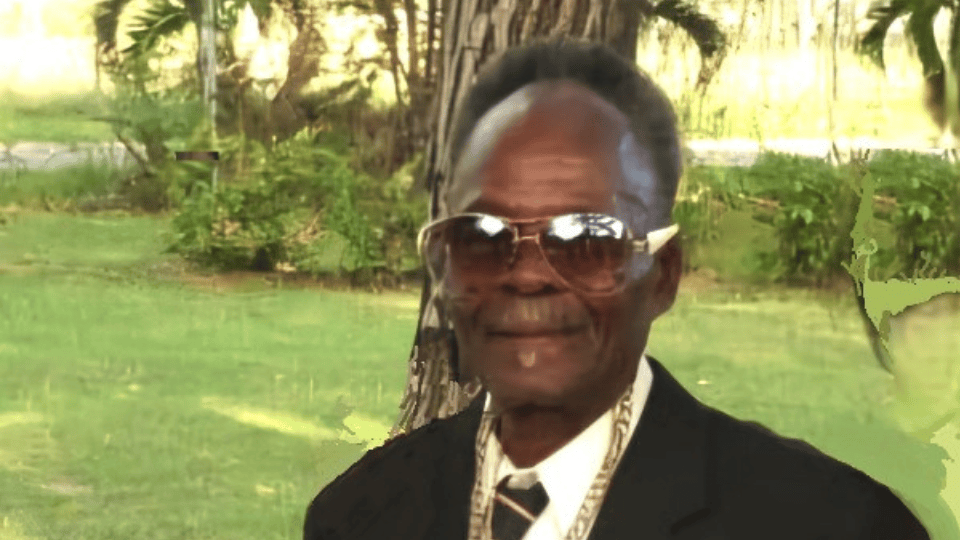
Latoya’s grandad, who had dementia
The barriers aren’t all within families or communities. There are huge external factors that stop people accessing services, including mistrust due to previous negative experiences of health and social care, language barriers, services not being culturally competent or diverse. Or simply limited knowledge of dementia and available support.
In some Caribbean families, and communities, changes in memory, thinking or behaviour comes with significant stigma. This leaves people with feelings of fear, embarrassment, shame, disbelief, uncertainty, guilt, or a sense of being punished.
The stigma can also lead to secrecy. Families may care for their loved ones in isolation and only seek help when a crisis hits.
Many Caribbean families are traditionally private. There is often a strong expectation that devastating events, such as illness, are kept within the family and that loved ones will be cared for at home without additional support – and cared for well.
That’s why we’re here. We offer an opportunity to seek free expert, confidential, culturally sensitive dementia support and advice.
Meeting the cultural expectation that relatives will care for their elders was much easier in the past, when families were larger and women were more likely to stay at home and take on caring roles.
Today in the UK, families may face financial pressure if someone has to reduce their hours or leave work to care for a loved one.
As a nurse who has worked in dementia care for over 10 years, I have seen the devastating impact this can have on carers. Despite this, they have displayed loyalty, love, resilience and determination.
As an Admiral Nurse for Black, African and Caribbean communities, I’ve seen the positive difference our support can make to families.
By providing culturally tailored, person-centred support, we build trusting relationships in which families can speak openly about the demands of their caring role and feel able to ask for help without judgement.
The impact of this support is reflected in the feedback we receive, with families telling us they feel relieved, supported and more confident in managing their caring role.
This Black History Month, let’s celebrate the people who came before us by caring well for the ones who are with us today. Let’s recognise and protect the health and wellbeing of the family members who care for them.
Caring for someone with dementia can be an act of enormous love, but no family should have to do it alone. This Black History Month, I want Black families affected by dementia to know that specialist, confidential support is here for you.
Whether you have a question that needs an immediate answer or need emotional support when life feels overwhelming, these are the ways our dementia specialist Admiral Nurses can support you.
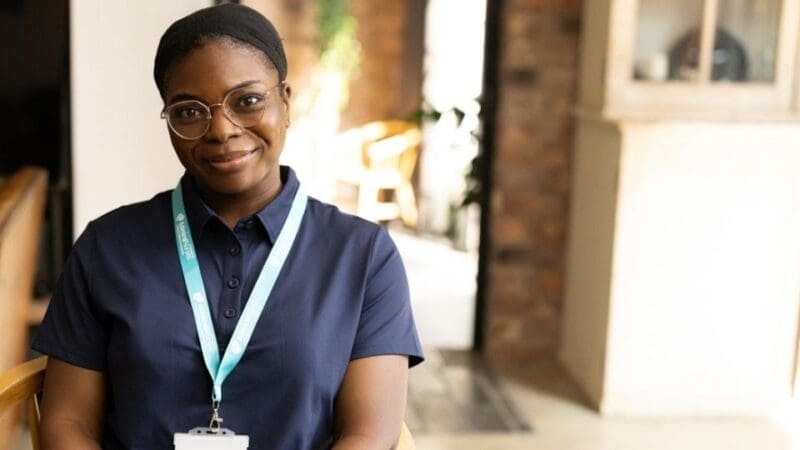
There are still too many barriers to dementia care for Black, African and Caribbean families. In some communities, there is no awareness of dementia at all – which means early signs often go unnoticed, and people may not seek medical advice until a crisis happens.
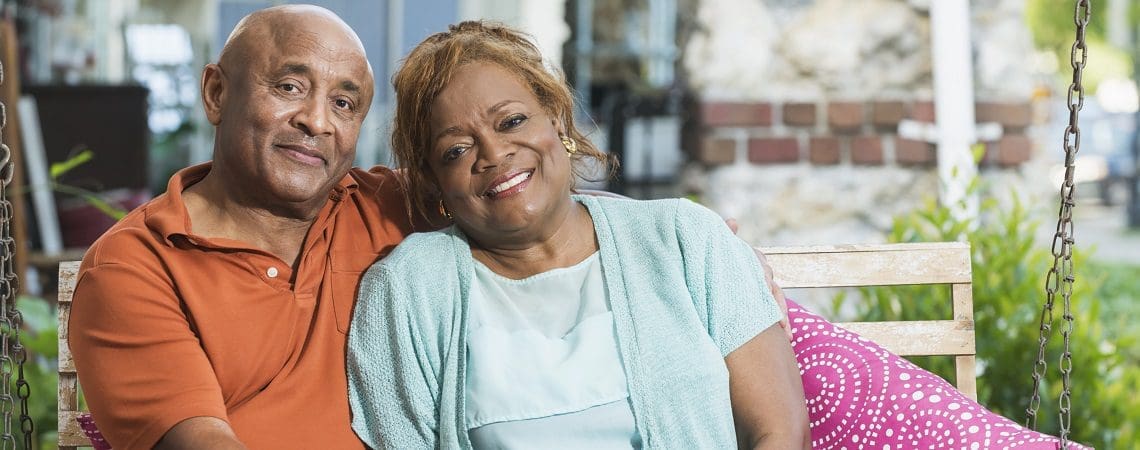
Dr Julia Botsford is a specialist in the area of dementia in ethnic minority communities. She shares the questions and issues that cultural and ethnic differences can raise when creating support services for people affected by dementia.