
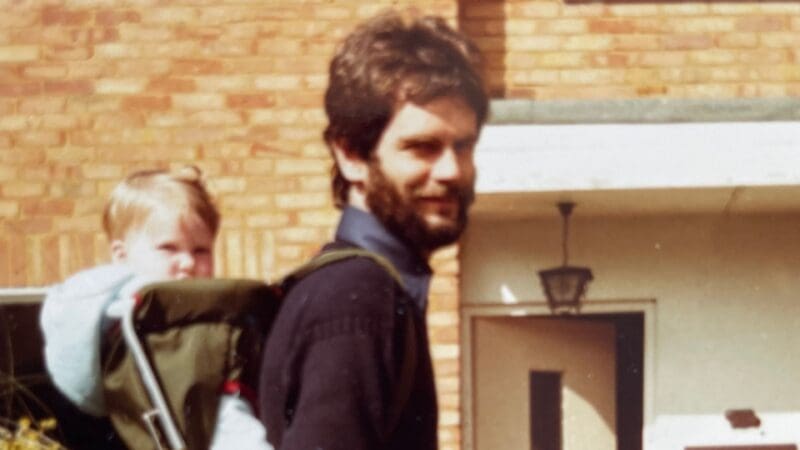
Kate’s story – “I’m a classic example of a sandwich carer”
Kate reflects on the challenges of being a sandwich carer and shares how her Admiral Nurse has supported her family.
Diabetes and dementia are two conditions that often occur together, and managing both at the same time can be complex. People with diabetes — particularly type 2 diabetes — have a higher risk of developing dementia.
As dementia progresses, it can be harder for a person to manage their diabetes on their own. It can affect everything from remembering to take medication and monitoring blood sugar levels to recognising the symptoms of low blood sugar. Carers and family members often need to take on a greater role in supporting the person with both conditions.
Understanding the relationship between diabetes and dementia can help you provide the best possible care and reduce the risk of serious complications. Our dementia specialist Admiral Nurses share their advice.
Diabetes is a condition that causes a person’s blood sugars to be too high. It occurs when the body does not produce enough — or any — of the hormone insulin, which controls how the body turns glucose (sugar) from food and drink into energy.
Type 1 diabetes is a lifelong condition where the body’s immune system attacks and destroys the cells that produce insulin. Everyone with type 1 diabetes needs to take insulin.
Type 2 diabetes is where the body does not produce enough insulin, or the body’s cells do not react to insulin properly. Some people can manage type 2 diabetes through lifestyle — for example through diet, exercise and maintaining a healthy weight — but medication may be necessary.
Diabetes is a risk factor for dementia. This means that if you have diabetes, you are more likely to develop dementia. However, it is one of many risk factors — if you have diabetes, you will not necessarily get dementia. The type of diabetes you have and how it is managed can affect your risk.
Diabetes does not cause dementia. However, research shows that people with diabetes have a higher risk of developing dementia. In particular, there is a higher risk of vascular dementia.
People with type 1 diabetes who experience severe blood sugar highs and lows may be at increased risk of dementia. Management of the condition to prevent severe highs and lows can help reduce the risk of developing dementia.
Research shows that type 2 diabetes increases the risk of developing dementia. The reasons are uncertain, but people with diabetes are more likely to develop high blood pressure and cholesterol, which are risk factors for dementia.
The longer someone has lived with type 2 diabetes, the greater their risk of getting dementia. For every five additional years with the condition (up to age 70), the likelihood of developing dementia increases.
A 2013 study found that people with diabetes had a 73% greater risk of dementia overall. They were found to have a 127% greater risk of vascular dementia and a 56% greater risk of Alzheimer’s disease.
An analysis of 14 other studies found that older people with diabetes living in the community are 1.5 to 2.5 times more likely to develop dementia than those without diabetes.
However, it is important to remember that diabetes is just one of many risk factors for dementia. Having diabetes does not mean that you will develop dementia. A person with type 2 diabetes who is taking metformin has a lower risk of developing dementia than a person with type 2 diabetes who is not taking the medication. There is also research being done to see if other drugs for type 2 diabetes can reduce dementia risk.
Anyone can develop diabetes later in life, including a person with dementia. Sometimes it is caught early, for example through a routine blood test. Sometimes people notice symptoms first; however, they can be easy to miss, as they may be mistaken for changes in dementia, or put down to old age or frailty. Symptoms to look out for include:
If you notice these symptoms in a person with dementia, talk to their GP to see if they recommend testing them for diabetes.
It is important for everyone with diabetes to ensure their condition is managed by:
This will help to avoid long-term complications caused by high blood sugar, and prevent blood sugars dropping to a dangerously low level — known as hypoglycaemia or a ‘hypo’.
Dementia can make it harder for someone to manage their diabetes independently due to changes in their memory, concentration, or diet. As the person’s dementia progresses, they are likely to need support to:
A person with diabetes may need to take medication, which could include:
It is particularly important for the person to monitor their blood sugar and take any medication as prescribed. These tips can help you support them to do this.
If the person is finding their tablets hard to swallow, unpleasant-tasting or making them feel sick, speak to their GP or pharmacist. The medication may be available in another form, such as liquid.
Monitoring blood sugar levels (also called blood glucose levels) in a person with diabetes is crucial for managing their condition. However, if the person has dementia, they may not always remember to monitor their blood sugar levels.
How often the person needs to monitor their blood sugar depends on different factors, like their type of diabetes and the medication they are on. Some people will need to have their blood sugar levels checked several times throughout the day; others may be able to do it less often. The person’s GP or specialist diabetes nurse will be able to advise you on when to monitor their blood sugar.
You can check a person’s blood sugar levels using a finger prick test or a continuous glucose monitor (CGM). A finger prick test is more accurate and gives a real-time result, whereas a CGM uses a small sensor on the body to measure the amount of sugar in the fluid surrounding the cells, rather than the blood itself. It monitors constantly, but has about a 15-minute delay.
Make a note of every blood sugar reading you take, including the date and time. There are apps available to help you record this on your phone.
Learn more about testing blood sugar on the Diabetes UK website
At least once a year, the person you care for will be asked to come in for an HbA1c blood test. This checks their average blood sugar levels over the last three months, helping their diabetes team spot trends over time and assess how well their condition is being managed.
This is one of the most important diabetes health checks. A high HbA1c level means there is too much sugar in the person’s blood, which increases the risk of serious complications — including problems with their eyes and feet. It is important to make sure they have this test regularly.
Making healthier choices when it comes to food can help to manage diabetes, as well as various other health conditions.
For type 1 diabetes, there are no specific foods you cannot eat, as blood sugar levels are managed through monitoring and taking insulin. For type 2 diabetes, a person may be advised to follow a lower-carbohydrate diet to help them lose or maintain their weight and control blood sugar. But for both types of diabetes, a healthy, balanced diet is recommended.
Read the Diabetes UK type 1 eating guide
Read the Diabetes UK type 2 eating guide
Dementia often has an impact on a person’s appetite and ability to eat and drink. This may affect how they manage their diabetes. You may notice the person:
It is important to update the person’s Diabetes Team with any changes in their eating habits or weight, as their treatment regime and goals may need to be reviewed. It may be helpful for the person to be weighed every month, and a record kept to identify any changes.
People with dementia often do not drink enough and can quickly become dehydrated. This could increase their confusion and their chance of developing a UTI, which can lead to high blood sugar levels in people with diabetes. The person may need help to ensure they drink enough: read our advice on good hydration for people with dementia.
If the person becomes excessively thirsty, it is important that their blood sugars are checked. If they are extremely high, they will require a review by the GP or diabetes nurse.
Some people with dementia experience changes in vision, such as difficulty recognising and distinguishing objects, seeing specific colours, and perceiving depth. These changes may affect how well a person can see their insulin doses, locate their tablets, or prepare and eat food.
However, diabetes can also affect a person’s vision. It can cause diabetic retinopathy (damage to the back of the eye, known as the retina) and increase the risk of glaucoma (damage to the optic nerve caused by pressure in the eye). Both could lead to blindness.
It is important not to assume that any vision changes are caused by the person’s dementia and to ensure they have regular eye tests and mention any changes to their optician or diabetes specialist.
A person with dementia and diabetes should have both a dementia review and a diabetes review every year.
An annual dementia review is carried out by the person’s GP. It should include:
The annual dementia review is a chance to talk about future care decisions, including advance care planning. This might include filling in a ReSPECT form, which sets out personalised recommendations for the person’s care and treatment in an emergency where they cannot make or express their own choices. These decisions can be difficult to think about, especially if the person has only recently been diagnosed with dementia, but their GP can help you explore the options, so they receive the best care in the future.
People with diabetes should also have an annual diabetes review with their GP or diabetes specialist. This should include:
The person will also be invited for a separate eye screening appointment to check for diabetic retinopathy.
It is a good idea to go with the person to their dementia and diabetes reviews so you can share any new information (for example, changes in their diet, physical activity, alcohol intake or smoking) and understand any advice they are given around managing their conditions.
If the person is not invited for their diabetes or dementia review, you should contact their healthcare professional to request them. It is useful to make a note of when they should happen in case the person with dementia forgets they are due or needs help arranging the appointments.
Staying active is good for people with diabetes, because it helps insulin work better, helping blood sugar levels stay within their target range. It can also help prevent other health problems related to diabetes.
Exercise is also good for people with dementia, as it can improve some aspects of memory and thinking by improving blood supply and nutrients to the brain.
If a person with dementia already enjoys exercise and is physically able to carry on with it, encourage them to do so. If a person finds physical activity more difficult due to frailty or mobility problems, there are still lots of things they can do to stay more active, like:
The Dementia Toolkit has tips, videos and articles with ideas for staying active with dementia.
View the Dementia Toolkit’s ‘Staying Active’ ideas
There are several types of technology that can be used to help a person manage their diabetes, particularly if their blood sugars need to be tested often or they need insulin injections more than once a day.
An insulin pen is an easy-to-use alternative to a traditional syringe. They come with a cartridge of insulin rather than a vial that needs to be drawn up. The person’s dose can be pre-set to ensure they take the right amount.
A smart insulin pen can automatically record the person’s last dose of insulin to help you monitor if they have taken the right dose at the right time. The information can be sent automatically to an app on the person’s phone. The pen can also send alerts if an injection is missed.
An insulin pump or patch is a small electronic device worn on the body which releases insulin at the right times, day and night, so the person does not have to inject themselves. This can help keep their blood sugar levels in the target range and avoid the person missing insulin doses or taking too much.
These are sensors worn on the body (usually on the back of the upper arm) that monitor the person’s blood sugars around the clock. This information is sent to their smartphone. If you support the person with their diabetes management, it can also be sent to your phone. You can set an alarm to sound if blood sugars are too high or low. The most common type of flash/CGM is the Freestyle Libre system.
Apps can help people manage their diabetes, for example by counting their carbohydrate intake, setting medication alerts and tracking blood sugar levels over time.
Not all of this technology is available free on the NHS, so it is important to discuss the person’s suitability and eligibility with their diabetes specialist.
Hypoglycaemia, or a ‘hypo’, is an episode of low blood sugar, which could be dangerous and even life-threatening. It may occur if the person takes too much diabetes medication, misses meals, drinks too much alcohol or exercises intensely.
It may be difficult to tell if a person with dementia is experiencing a hypo, as the symptoms could be similar to those of dementia, including:
There may also be physical signs of low blood sugar, including:
A hypo needs to be treated fast, so it is important to recognise the differences between the signs of a hypo and the person’s dementia symptoms. The differences can be subtle.
If the person seems particularly agitated, anxious and confused, test their blood sugar levels. If they are low, you can take steps to address this, for example, by giving them a sugary drink, dextrose/glucose sweets or jelly babies.
If the person goes into a severe hypo, acting quickly is vital, so it is a good idea to familiarise yourself with what to do. You should also call the person’s GP or NHS 111 for urgent advice.
It is helpful to keep a record of the person’s hypos to identify any patterns and help their healthcare team assess whether there are better ways to manage their blood sugar levels.
It is also a good idea for the person with diabetes and dementia to carry a form of ID that explains their diagnoses, such as an ID card, medical alert jewellery or an up-to-date health record on their phone. This will help them get the support they need if they become confused or unwell in public.
Many people with dementia become increasingly confused, anxious and unsettled in the evening. They may have a strong sense of being in the wrong place — for example, they may ask to go home, even if they are at home, or believe they need to collect their children from school, even if they are now adults. This is known as sundowning.
While this is common in people with dementia, it is important not to assume that a person with diabetes is sundowning, as it could be a sign of low blood sugar. If this is not addressed, the person may become unresponsive, lose consciousness and be admitted to hospital.
For this reason, if the person becomes very confused and agitated in the evening, check their blood sugar levels. If they are low, you can encourage them to have a sugary drink or sweets to raise them to within their target range. This could help to prevent them becoming seriously unwell and avoid an unnecessary hospital admission.
People with diabetes are at greater risk of developing infections due to high blood sugar levels. They may be ill for longer or become more seriously ill. Having an infection may itself affect the person’s blood sugars, so if you are concerned that they are ill, please speak to their GP.
A person with dementia is more likely to develop delirium if they have an infection. This is a state of sudden, intense confusion and disorientation that needs to be recognised and treated immediately. If there is a change in a person’s cognitive abilities, contact their GP as soon as possible to identify if they are experiencing delirium.
At some point, it is possible that the person you care for will need to be admitted to hospital, whether due to their diabetes or another condition. This can be particularly confusing and unsettling for a person with dementia due to the unfamiliar people, surroundings and routines. But there are some things you can do to make sure they are well cared for.
If you need advice on supporting someone with dementia and diabetes, please call the Dementia Helpline on 0800 888 6678 (Monday-Friday 9am-9pm, Saturday and Sunday 9am-5pm, every day except 25th December), email helpline@dementiauk.org or you can also book a phone or virtual appointment with a dementia specialist Admiral Nurse.
Diabetes UK
Helpline: 0345 123 2399
Diabetes UK shop (selling wristbands and other useful products)
You may hear the term ‘type 3 diabetes’ used in connection with dementia. This is based on the theory that in Alzheimer’s disease, nerve cells in the brain may become resistant to the effects of insulin, leading to a build-up of abnormal proteins. However, type 3 diabetes is not an official diagnosis, and more research is needed into any link between diabetes and Alzheimer’s disease.
Diabetic dementia is not an official type of dementia. It is a term you might have heard because there is growing evidence of the links between having diabetes and developing dementia. Dementia cannot currently be cured or reversed; however, managing diabetes well can help to slow the progression of dementia and improve symptoms.
If a person has type 2 diabetes, it may be possible for the diabetes to go into remission. Some people may call this ‘reversing’ the diabetes, but this is misleading, as it may not be a permanent reversal. Type 2 diabetes remission is when a person’s blood sugar goes back down into a healthy, non-diabetic range and they do not need to take medication to lower their blood sugar.
Kate reflects on the challenges of being a sandwich carer and shares how her Admiral Nurse has supported her family.

Mike reflects on the importance of the Nationwide Building Society dementia clinics in North Ayrshire, Scotland.

Harjit reflects on the support she received from Admiral Nurse, Tina, whilst her mum was in hospital.
To speak to a specialist dementia Admiral Nurse about alcohol-related brain damage or any other aspect of dementia, please call our free Dementia Helpline on 0800 888 6678 (Monday-Friday 9am-9pm, Saturday and Sunday 9am-5pm, every day except 25th December or email helpline@dementiauk.org.
If you prefer, you can book a phone or video appointment with a specialist dementia Admiral Nurse in our virtual clinics.
The symptoms of dementia vary from person to person. However, people with diabetes are more likely to develop vascular dementia, which, in the early stages, can cause symptoms such as changes in mood, behaviour and personality. The memory problems associated with other forms of dementia may not be evident until later.
Some of the symptoms of low blood sugar – such as increased confusion, irritability and difficulty concentrating – are similar to those of dementia. This means that dementia symptoms may appear worse in a person who is experiencing low blood sugar.
Information on helping a person with dementia stay physically well, including tips for good dental care and advice on making your home safe.

Read personal stories from people living with a diagnosis, their family members and friends - as well as our dementia specialist Admiral Nurses.

Whether you have a question that needs an immediate answer or need emotional support when life feels overwhelming, these are the ways our dementia specialist Admiral Nurses can support you.