
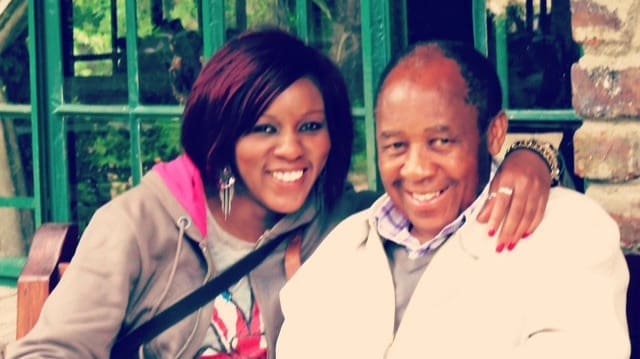
Tsitsi’s story – “Be brave and help to break down the barriers”
Tsitsi reflects on the importance of breaking down cultural barriers around dementia and grief.
Tsitsi reflects on the importance of breaking down cultural barriers around dementia and grief.
My dad was a soft, gentle man, and everybody loved him. He lit up any room he walked into. He grew up in Zimbabwe, where he was looked upon as a cornerstone of the community. He was an economist, and one of the first people from his hometown to go to university. In 1969, he showed remarkable courage in leaving everything behind to build a new life in Edinburgh.
Dad’s symptoms began with small changes in his memory, like forgetting what he’d eaten for dinner the night before. My brother, who was living with Dad in Zimbabwe, was the first to flag that something deeper was going on and needed to be investigated.
Dad was diagnosed with vascular dementia in 2013, at the age of 65. He was living with my mother and brother, and we all rallied around him. But it took a while to come to terms with the diagnosis and accept it.
As a family we felt it would be best for Dad to stay in Zimbabwe, where he was comfortable and surrounded by familiar things, rather than bring him back to the UK. I visited once a year and video-called him often. Every time I saw him, the difference was striking. As his condition progressed, he needed help from the moment he woke up until he went to bed.
Dad couldn’t travel to the UK to walk me down the aisle on my wedding day, which was heartbreaking. Instead, he watched the ceremony remotely on a video call – it was the best we could do to have him be part of our day.

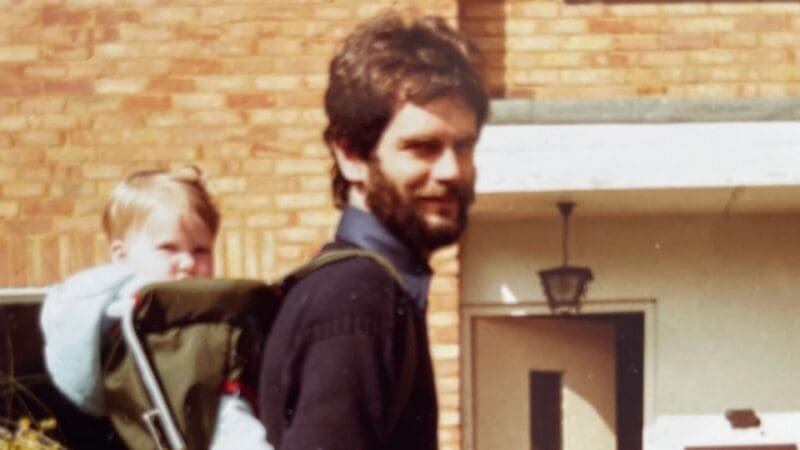
Tsitsi’s dad, Caston
In our culture, our elders, and parents in particular, are not questioned. This can make it difficult to raise concerns when you notice changes in a loved one, and families often find themselves simply watching and waiting. Dementia is rarely discussed openly, and families frequently choose to conceal a diagnosis. As the condition progresses, however, this inevitably can become increasingly difficult to sustain.
I believe more education is needed. We can approach the situation sensitively by first speaking to the wider family about our concerns, before raising them directly with the person who is struggling. We need to break down these cultural barriers and stop hiding when someone is unwell. This is half the battle, and once families are honest, far more support becomes available.
It is vital that we talk more openly about dementia and what to expect. After Dad’s diagnosis, some people tended to withdraw as they no longer knew how to communicate with him. Before visits, as a family, we would explain to friends and relatives what they could expect, such as when his carer would arrive. We encouraged them to speak to Dad as they always had and reassured them that he recognised them and could still engage with them.
Music also helped put everyone at ease. Dad never lost his memory of music, and it was a great way to stay connected to him.
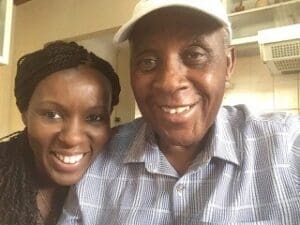
Tsitsi and her dad, Caston
Involving Dad in everyday household activities was essential to keeping us connected. We took care not to make assumptions about his abilities, and he continued to help with tasks such as laundry and setting the table for dinner. This allowed him to feel purposeful, valued and included within the family.
During my visits, we did different activities each day. I would travel to Zimbabwe with colouring books and crayons to do together. On one occasion, I bought him some seed trays, and he would carefully water each small hole. Dad’s eyes lit up when we gardened together.
As an academic, Dad loved to read. I could give him a book to read out loud, and he would confidently read every word as I sat with him and simply listened. A keen DIY enthusiast, he could also spend hours building with Lego. I followed his lead, and even as his speech declined, we were still able to communicate. The effect was transformational. These things helped us stay connected.
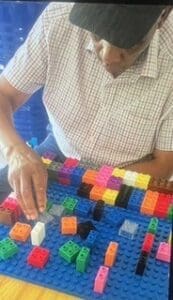
Caston using lego
Dad had a strong Christian faith from childhood, and it was central to his life. Maintaining his religious connections remained deeply important to him. Familiar faces, prayers and Bible readings gave him comfort, reassurance and a sense of belonging. Dad had founded his church men’s group, and its members visited regularly, which he greatly valued.

Tsitsi’s dad, Caston, reading the Bible
Music can be extremely powerful for people living with dementia. Dad could sing songs and recall every word, a connection that nothing could take away. I bought him an iPod and compiled playlists of his favourite songs. He rarely went anywhere without his headphones, and I treasured watching him sing along.
Dad particularly loved church music. We would give him shakers, and he was in his element, playing along to the African drums. He would even stand up and dance with my mother and me. It is important to seize these special moments.
Dementia changed my perspective on time. When Dad was diagnosed, my priority became making every moment count.
I grieved for Dad while he was still alive, but nothing prepared me for the grief I felt when he died in 2020, aged 71. It felt as though the world had ended, and I could not comprehend how life was meant to continue.
I felt numb, and everything around me paled into insignificance. Everyday experiences became triggers, such as walking past the men’s section in Marks and Spencer, where I used to shop for Dad, or seeing the ‘Dad’ section in a card shop. That period felt endless.
I hoped that returning to work would provide a distraction, but I sensed that colleagues were avoiding me. This was not out of unkindness; people simply did not know what to say. As a society, we are not good at talking about grief, and we need to normalise it. Even without the right words, a hug can make an enormous difference.
I decided to write a book as a tribute to my father. Sharing our journey was cathartic, and I hope it has also helped others.
My advice to anyone caring for a person with dementia is that a good quality life, even when impacted by dementia, does continue long after the diagnosis. Embrace open communication and do not be afraid to ask for support. Talking about difficult subjects such as dementia and grief is incredibly valuable. We are all learning. Be brave and help to break down the barriers.
Tsitsi reflects on the importance of breaking down cultural barriers around dementia and grief.
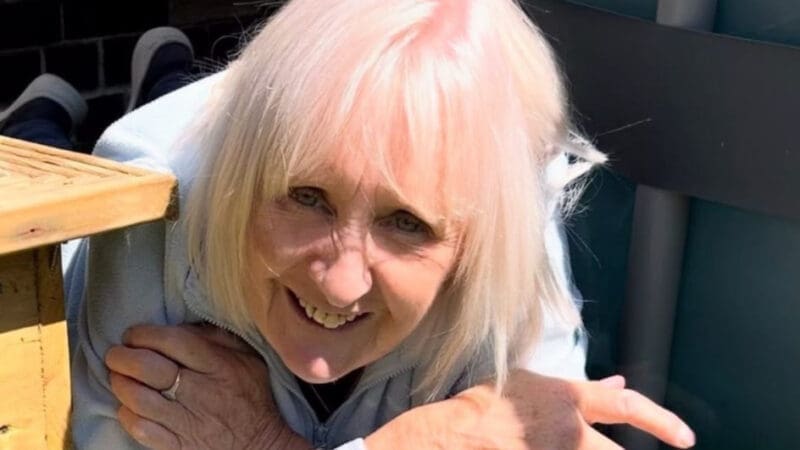
Deborah is living with dementia and shares how Nationwide Building Society have supported her to continue working.
Kate reflects on the challenges of being a sandwich carer and shares how her Admiral Nurse has supported her family.