
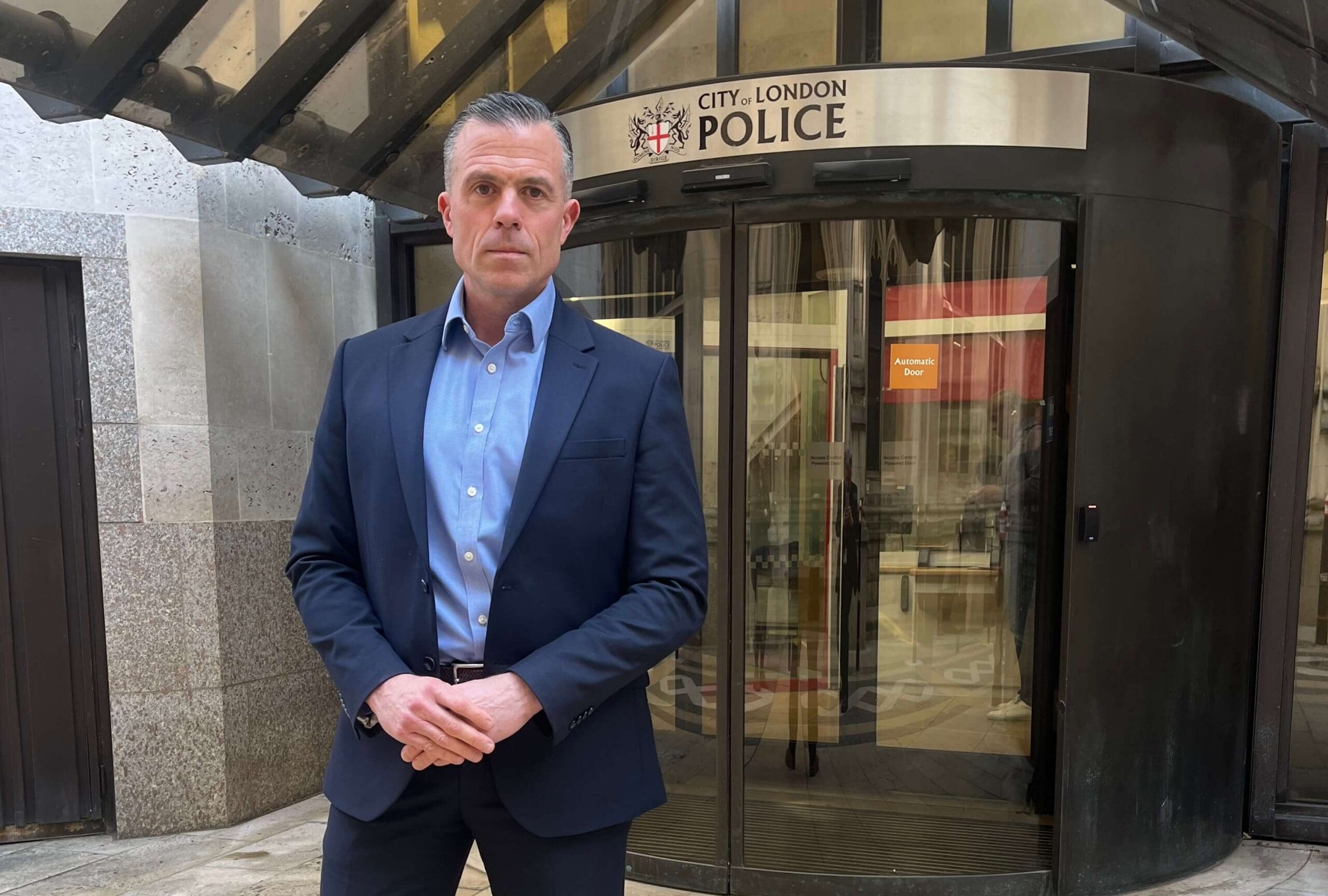
Marc Cananur shares six ways to help protect someone living with dementia from scams
To help families reduce the risk of scams, we’ve teamed up with TV presenter and former police officer and security expert Marc Cananur to share practical ways to protect someone living with dementia.
Marc, who has over 30 years’ experience in law enforcement and security, has worked with our dementia specialist Admiral Nurses to highlight common risks and simple steps families can take.
- Marc Cananur"Following my father’s diagnosis of dementia I have seen the brilliant support offered by Dementia UK’s Admiral Nurses, and urge anyone affected by the condition to reach out if they need guidance on the financial and legal challenges a diagnosis can bring."
- Marc Cananur"Criminals are aware that people living with dementia can be more susceptible to scams, and are willing to exploit these vulnerabilities to defraud them of money and information using a number of techniques. It’s important to offer advice to people living with dementia, but also to create protective systems around them to help prevent this happening, and to report them when they do occur."
Scams can affect anyone. But for a person living with dementia, it may be harder to recognise pressure tactics, spot unusual requests or understand that something is not genuine.
Fraud can begin in many ways, including unexpected phone calls, emails, text messages, letters, social media messages or visits to the door.
Six ways to help protect people living with dementia from scams
1. Get support from Dementia UK
If you are supporting someone living with dementia and are worried about scams, fraud, money or legal issues, we are here to support you.
Our specialist Admiral Nurses provide practical and emotional support to families affected by dementia. Find out how we can support you today.
For more detailed advice from our dementia specialist Admiral Nurses, read our guide on preventing a person living with dementia from being scammed.
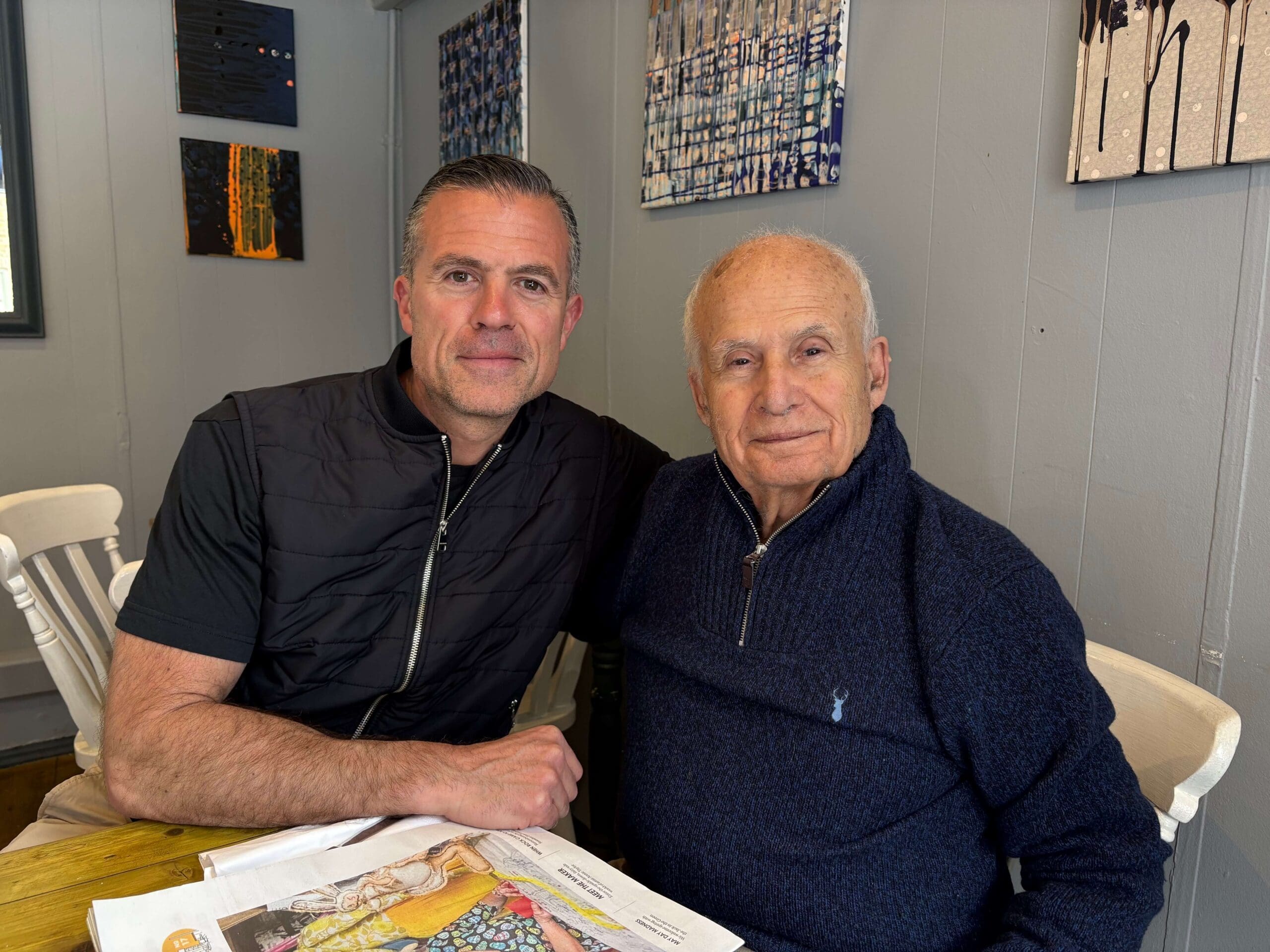
Marc and his dad
2. Follow simple rules to help reduce the risk of fraud
Marc recommends these basic rules for everyone, whether or not you’re living with dementia:
- Never give bank details to someone who contacts you unexpectedly
- Hang up on callers asking for money or passwords
- Do not click links in unknown emails or texts
Always check with a trusted person before sending money
3. Reduce unwanted calls, emails and doorstep visits
Many scams begin with unexpected contact. Putting simple barriers in place can help reduce the number of opportunities scammers have to reach a person living with dementia.
You could:
- Register with the Telephone Preference Service to reduce unsolicited marketing calls
- Add spam filters to email accounts
- Place a ‘no cold callers sign’ on the front door
Drawing on his experience in policing and security, Marc says one of the most effective ways to reduce fraud is to keep things simple.
4. Make day-to-day finances simpler
Making finances easier to manage can help reduce the risk of mistakes or financial abuse. This might include setting up direct debits, limiting cash withdrawals or considering a lasting power of attorney.
Read more in our resource on preventing scams.
5. Look out for warning signs
It is not always obvious that someone has been targeted by a scam. Open, swift and non-judgemental conversations can make it easier to spot concerns early.
You can look out for:
- Large or unusual withdrawals of cash
- New ‘friends’ asking for money
- Bills going unpaid despite the person having enough funds to support themselves
- Confusion around payments or purchases
- Excessive phone calls from unknown numbers
- A sudden reluctance to discuss finances
6. Report suspected fraud quickly
If you think someone has been scammed, contact their bank or payment provider as soon as possible.
You should also report fraud to Report Fraud, the UK’s national fraud and cyber-crime reporting service. Citizens Advice also offers guidance on reporting scams and what to do next.
“Nearly one million people are estimated to be living with dementia in the UK today, which means that more people than ever are taking on caring roles. Scams can be hard to detect and can affect anyone, but people living with dementia may be more vulnerable to being scammed or defrauded, so it’s important that carers are aware of how to spot potential scams.”
– Dementia UK’s Chief Nursing Officer, Paul Edwards
We’re here for you
We’re here if you are worried about scams, fraud, money or legal issues or want to chat about any aspect of dementia.
Find out how you can get support today.
Looking for more detailed guidance? Read our advice on preventing a person living with dementia from being scammed, including information on different types of scams, warning signs and financial safeguards.
Watch his top tips for preventing scams
View this post on Instagram