

How we can support you
Whether you have a question that needs an immediate answer or need emotional support when life feels overwhelming, these are the ways our dementia specialist Admiral Nurses can support you.
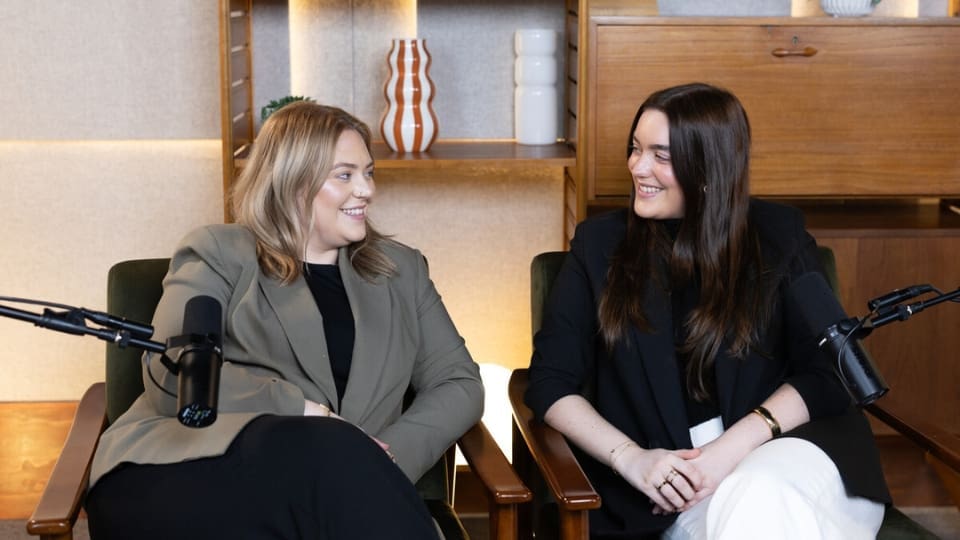
In this podcast, hear from real people who share their experience of living with, caring for, or losing someone to dementia.
Presented by Kola Bokinni, season three focuses on coping with symptoms, future planning, masculinity and dementia, and culturally appropriate care.
Subscribe to ‘My life with dementia’ on Spotify, Apple Podcasts, or wherever you get your podcasts to listen to new episodes and previous seasons. Alternatively, all our season three episodes are available for you to listen to below.
Chloe and Amy were just 12 and 18 when their mum Sarah began showing symptoms of young onset dementia. Becoming young carers for a parent with dementia and coming to terms with their mum’s diagnosis was something they had never imagined.
This is a story of a family pulling together under incredibly challenging circumstances, supporting each other to juggle work, school and looking after Mum.
Chloe and Amy’s dementia story will resonate with families who are navigating a dementia diagnosis while trying to hold on to everyday life. Read more of Chloe and Amy’s story.
Hilda and Vic go deeper into some of the themes from Chloe and Amy’s dementia story, explaining what families can do next from their perspectives as dementia specialist Admiral Nurses.
They cover:

When Jules’s uncle started showing symptoms of dementia, she had no idea that soon she’d be caring for multiple family members, who all received a dementia diagnosis around the same time.
In this episode, Jules discusses some of the more challenging symptoms of dementia, such as aggression, and her dedication to keeping her family safe and happy.
Jules’s dementia story offers comfort to anyone facing the challenges of dementia, while reminding us that joy is still possible. Read more of Jules’ story.
Hilda and Vic discuss Jules’s dementia story, sharing advice and insight drawing on their clinical experience as dementia specialist Admiral Nurses.
In this episode they explore:
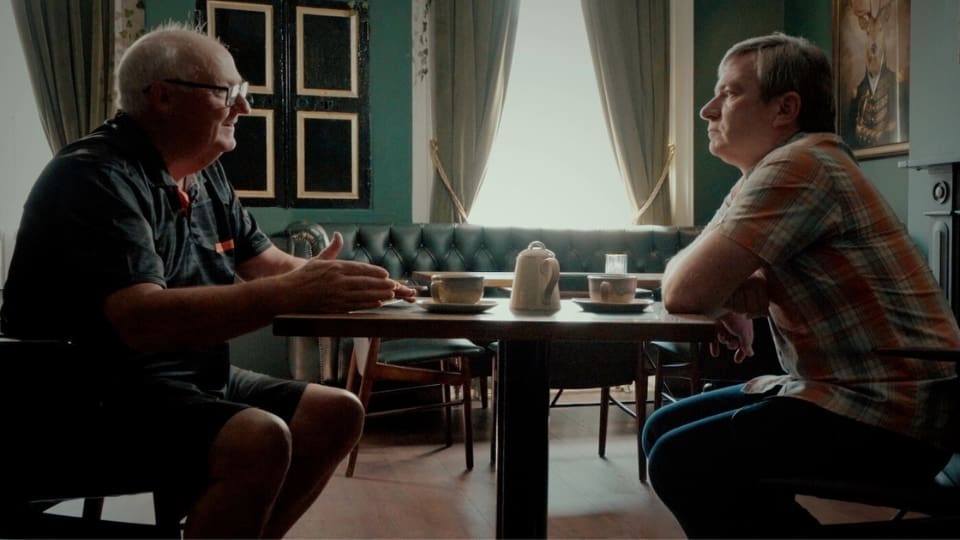
Tommy and Andrew met in a pub in Liverpool to talk about something many men struggle to discuss openly: dementia.
Tommy has young onset Alzheimer’s disease and Andrew is a carer for his mum, Ann, who received her vascular dementia diagnosis during Covid.
In this episode, they talk about navigating the emotional ups and downs of living with dementia and how expectations around masculinity have affected their experiences.
Tommy and Andrew’s dementia story challenges stereotypes and opens up an honest conversation about how men experience dementia, whether they’re living with the condition themselves or caring for someone with a dementia diagnosis. Read more of Tommy and Andrew’s story.
Inspired by Tommy and Andrew’s conversation in the pub, Hilda and Vic share advice and insight from their perspectives as dementia specialist Admiral Nurses.
In this episode, they explore:

What happens when dementia care doesn’t reflect your traditions, your food or your culture?
In this episode, Safia – one of Dementia UK’s first dementia specialist Admiral Nurses for Black, African and Caribbean communities – speaks to Elene, whose mum lived with mixed dementia.
They discuss why cultural awareness, though often overlooked, is so important to provide compassionate, person-centred dementia diagnosis and care.
Elene’s dementia story offers insight and reassurance for families who feel unseen or misunderstood in dementia care. Read more of Elene’s story.
After listening to Elene’s dementia story, Hilda and Safia share practical advice from their perspectives as dementia specialist Admiral Nurses.
In this episode, Hilda and Safia discuss:
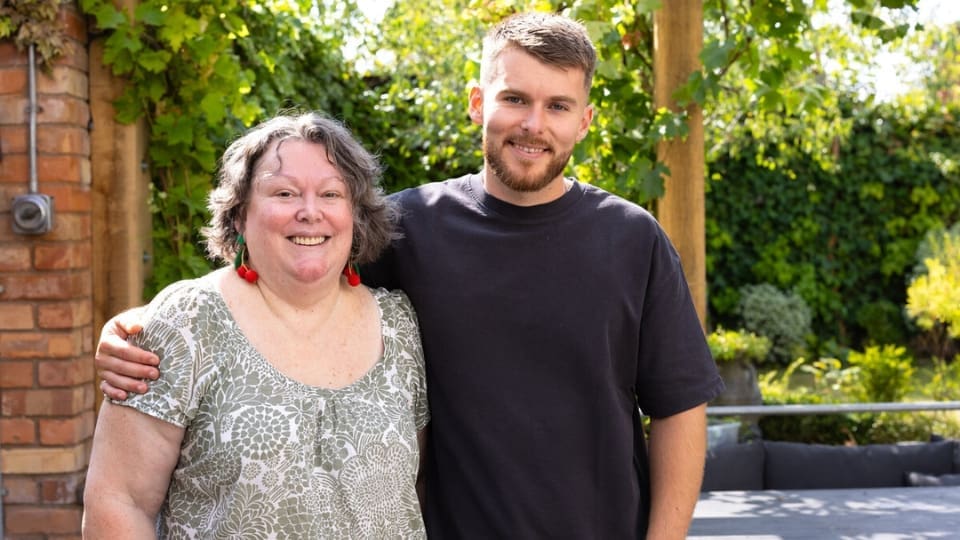
In this episode, we sit down with mother and son Ronnie and Will. Ronnie was diagnosed with young onset Alzheimer’s disease when she was 49 years old, when Will was just 16.
Listen to them talk about how their relationship has evolved since Ronnie’s dementia diagnosis and Will’s experience as a young carer.
From initially hiding her diagnosis to becoming an advocate for better awareness of young onset dementia, Ronnie’s dementia story is one of resilience and hope. Read more of Will and Ronnie’s story.
Following Will and Ronnie’s dementia story, Hilda and Vic offer practical guidance from their perspectives as dementia specialist Admiral Nurses.
This episode offers insight and reassurance for families who feel unseen or misunderstood when living with young onset dementia.
Key topics in this episode include:
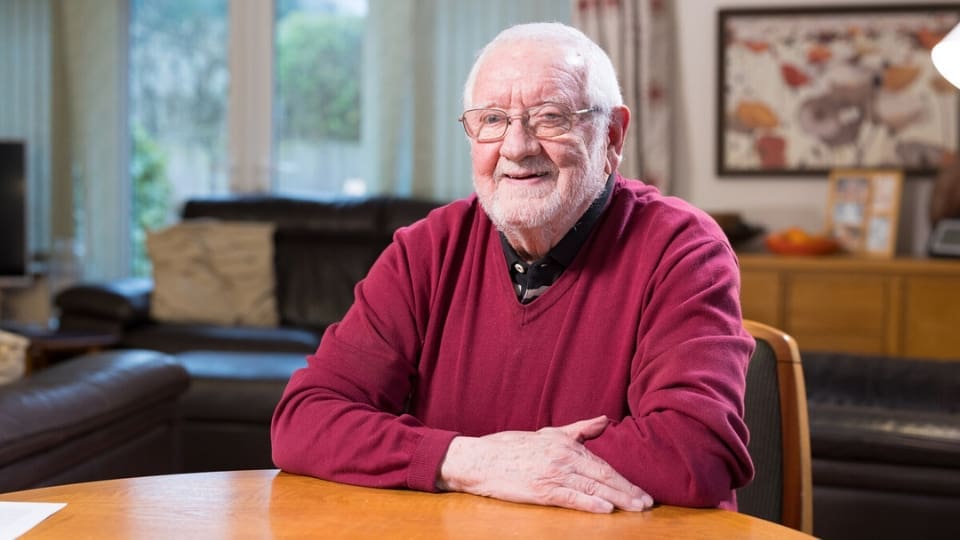
At 85, Bob has been caring for his wife Jan for seven years. Jan received a vascular dementia diagnosis, and until very recently Bob was her main carer. Bob is one of many older male carers who can become isolated in their communities, despite the vital role they play.
In this episode, you’ll hear about Bob and Jan’s love story, his unwavering dedication to his wife and her care and how he overcame his reluctance to ask for help.
Bob’s dementia story will feel familiar to many carers supporting a partner and gently explores the courage it takes to accept support.
Building on Bob’s dementia story in our last episode, Hilda and Vic share what they see in practice every day from their perspectives as dementia specialist Admiral Nurses.
In this episode, they cover:
"My life with dementia is moving, insightful, and full of heart - a beautiful reminder that behind every diagnosis there is a person, a family, and a story that deserves to be heard."
"A deeply helpful, supportive and illuminating podcast. Full of real world advice and tips to help you through challenging times."
If you enjoyed listening to season three of 'My life with dementia' then you can listen to season one and two.
Whether you have a question that needs an immediate answer or need emotional support when life feels overwhelming, these are the ways our dementia specialist Admiral Nurses can support you.

Read personal stories from people living with a diagnosis, their family members and friends - as well as our dementia specialist Admiral Nurses.

If you are concerned about your own memory it is important to consult a GP as soon as possible. This will make sure that you are given appropriate advice.

Find out more about life with young onset dementia and how you and your family can adapt after a diagnosis.

The death of someone close is often a shock and it is hard to prepare yourself for how you may feel following a loss.
Caring for a person with dementia can be challenging. There are various options open to you to get some additional support.