
Contact our policy team
If you have a question about our research, please get in touch.
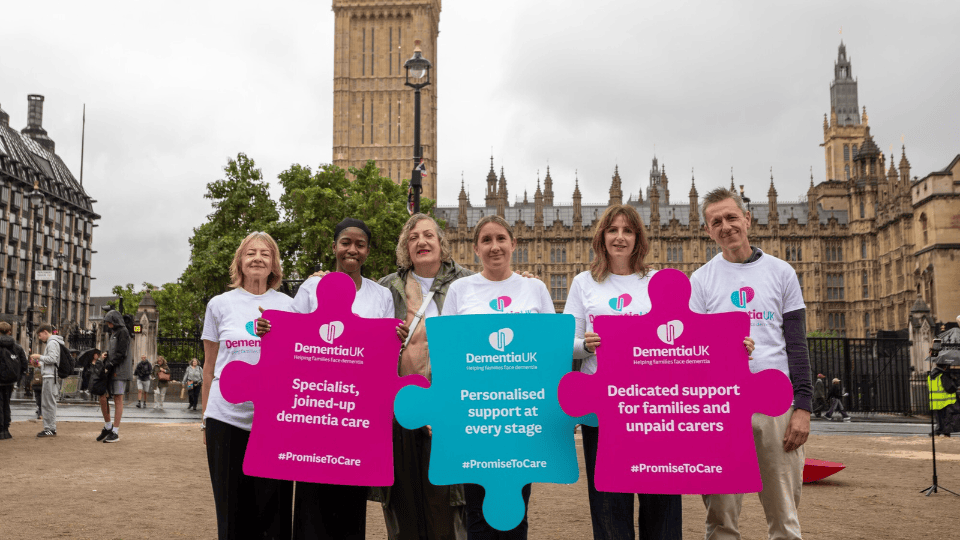
A dementia diagnosis should mark the start of ongoing care and support. But too often, people are left to navigate a complicated system alone, with help arriving only when they reach crisis point.
Our report, ‘Crisis before care’, reveals the gaps in community dementia care in England, from the point of diagnosis all the way through to end of life. It shows the consequences of a fragmented and broken system. People are struggling to get help when they need it, and families are exhausted and burnt out.
before problems became more serious
for organising professional support
or breakdown when needs increased
Many people described leaving diagnostic services without meaningful follow-up or details of someone to contact. As needs increased, families found themselves chasing referrals, arranging appointments and passing information between professionals.
People living alone or without an unpaid carer often had no one to notice changes or seek help. People with young onset dementia also described services that did not reflect their age or circumstances.
Getting support should not depend on having someone able to fight for it.
People with dementia need continuing care that responds as their needs change. Families need support with caring, without being left responsible for making the system work.
The Government’s forthcoming Modern Service Framework for Frailty and Dementia must set clear standards for care in England.
A name on a record or a list of services to contact is not enough. These standards must lead to meaningful support with clear responsibilities, a delivery timetable and public reporting on progress. Improvements to NHS care must also be matched by access to affordable social care.
This work is part of our Promise to Care campaign, calling for better care and support for everyone affected by dementia.
Thanks for downloading! We’re only asking for your email so we can measure downloads and ask for your feedback. We won’t sign you up for any marketing communications, but if you'd like to stay in touch, sign up for our newsletter by clicking "Subscribe to our newsletter" at the bottom of this page.

Read Elene's story“I was completely out of my comfort zone. I was trying to get information from anywhere I could but every door I tried to open closed in my face.”
If you have a question about our research, please get in touch.
Discover more about our fight for better care and support.
Help us make sure politicians take note by joining our Campaign Network.