
The aftermath of Christmas with dementia
With the help of dementia specialist Admiral Nurse Vic Lyons, we have put together some tips to help you navigate the aftermath of Christmas.
Christmas can be a hectic time for everyone and often generates a range of emotions. Some people find it exciting and uplifting; others can find it overwhelming and difficult to manage. And if someone is living with dementia, Christmastime can provide additional challenges for them and their family.
Changes noticed over the Christmas period
Families often spend longer together over the festive season, which in itself can be stressful. It may be the first time you notice the possible signs of dementia in your loved one. Or their existing symptoms may seem more pronounced, or new ones might emerge.
If the person already has a diagnosis of dementia and you haven’t seen them for some time, you may notice new changes and a significant deterioration in their symptoms since you last saw them. This can be upsetting and worrying. You may be surprised that they need more help now, or that they don’t seem to be looking after themselves as well as they were.
We receive an increased number of calls to the Dementia UK Helpline after Christmas, with many callers talking about the changes they have seen over this period.
Top tip
Routine can be important for people with dementia, so if daily life has been very different over Christmas, it could have a knock-on effect on the person’s symptoms and behaviour.
If you notice sudden changes during or after Christmas, consider factors like:
- Is the person taking their medication as prescribed?
- Are they eating and drinking as normal?
- Are they overstimulated and in need of quiet time and space to rest?
- Are they in pain, and if so are they receiving regular pain control?
- Could they have an infection like a urinary tract infection (UTI) that needs treating?
- Could there have been a physical change, for example hearing difficulties?
Write down the changes you have noticed and continue to monitor the person in the days/weeks after Christmas. In some cases, they may improve once everyday life returns to normal. In others, they may be part of the progression of their dementia.
If you notice sudden or serious changes in the person with dementia, seek medical advice. You can also call our Helpline or book an appointment in our virtual clinics to get support from our specialist dementia nurses.
Changes in family dynamics
Relatives may be unaware of everything that goes into caring for a loved one with dementia or may have a difference of opinion about how things should be managed. This can sometimes lead to disputes or a change in family dynamics, which may be intensified over Christmas. For example:
- Family members may suggest permanent changes in care based on what they see of the person over the festive period, which may make their usual carer feel criticised or unappreciated
- The main family carer may feel resentful if other relatives don’t offer help with caring tasks over Christmas
- Different family members may take over the role of main carer over the festive period – this could provide welcome respite for their usual family carer but could also make them feel less valued
However, Christmas and the end of the year can also be a chance for you and your family to reflect, and plan for the next year; to consider the things that are going well and things you would like to change. Remember, it is normal for families to have different ideas about how they see things moving forward.

Top tips
- Take time to hear each other’s ideas and explore options openly
- Consider what was working before Christmas – there is no point changing things that do not need changing
- If family dynamics change and you find it difficult to agree about what is in the best interests of the person living with dementia or how they should be cared for, a professional opinion is often helpful. Our Admiral Nurses can support the whole family as you find a way forward together
Dealing with post-Christmas blues
Some people find January a difficult month for many reasons. It is normal to experience a range of emotions as life returns to a more mundane routine.
- You may feel an anticlimax, whether or not things went to plan
- You may feel tired after all the busyness of Christmas
- You may be worried about what the coming year will bring
- You may be concerned about any changes you have seen in the person with dementia and how you can get the support you both need
- You might be worried about your finances and how you are going to manage the cost of living during winter and the year ahead
- You may have made New Year’s resolutions about things you would like to change or do
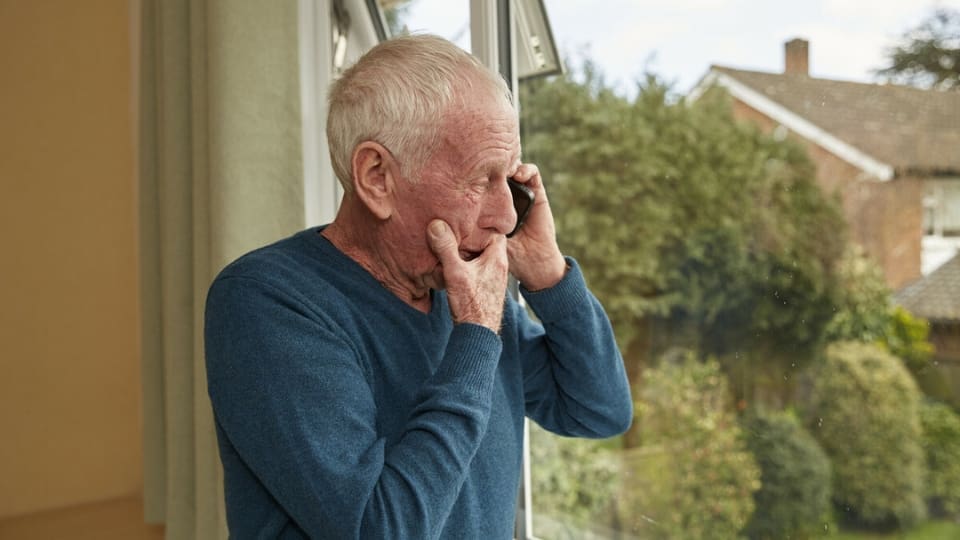
Top tips
Be kind to yourself by following these steps:
- Don’t make sudden changes to your lifestyle in response to anything that happened over Christmas
- Make sure you have some time to yourself if possible so that you can reflect and think about what you may need to do next
- Speak to people about how you are feeling, for example family, friends or a counsellor
- You may want to seek medical advice if you think the January blues might be a sign of depression or anxiety
- Call our Helpline if you need emotional support. Our nurses understand what you are going through and are here to help. For advice from a dementia specialist Admiral Nurse, please call our Helpline on 0800 888 6678 or book a virtual clinic appointment.
More blogs from Dementia UK


Marc Cananur shares six ways to help protect someone living with dementia from scams
Find out from former police officer and security expert Marc Cananur practical ways to protect someone living with dementia from fraud.
World Lewy Body Day
Learn about World Lewy Body Day and how it commemorates 20 years of progress in Lewy body dementia support and awareness.