
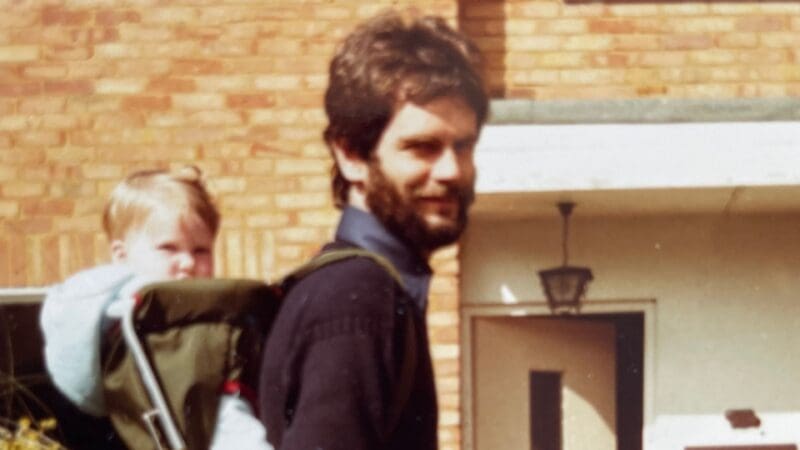
Kate’s story – “I’m a classic example of a sandwich carer”
Kate reflects on the challenges of being a sandwich carer and shares how her Admiral Nurse has supported her family.
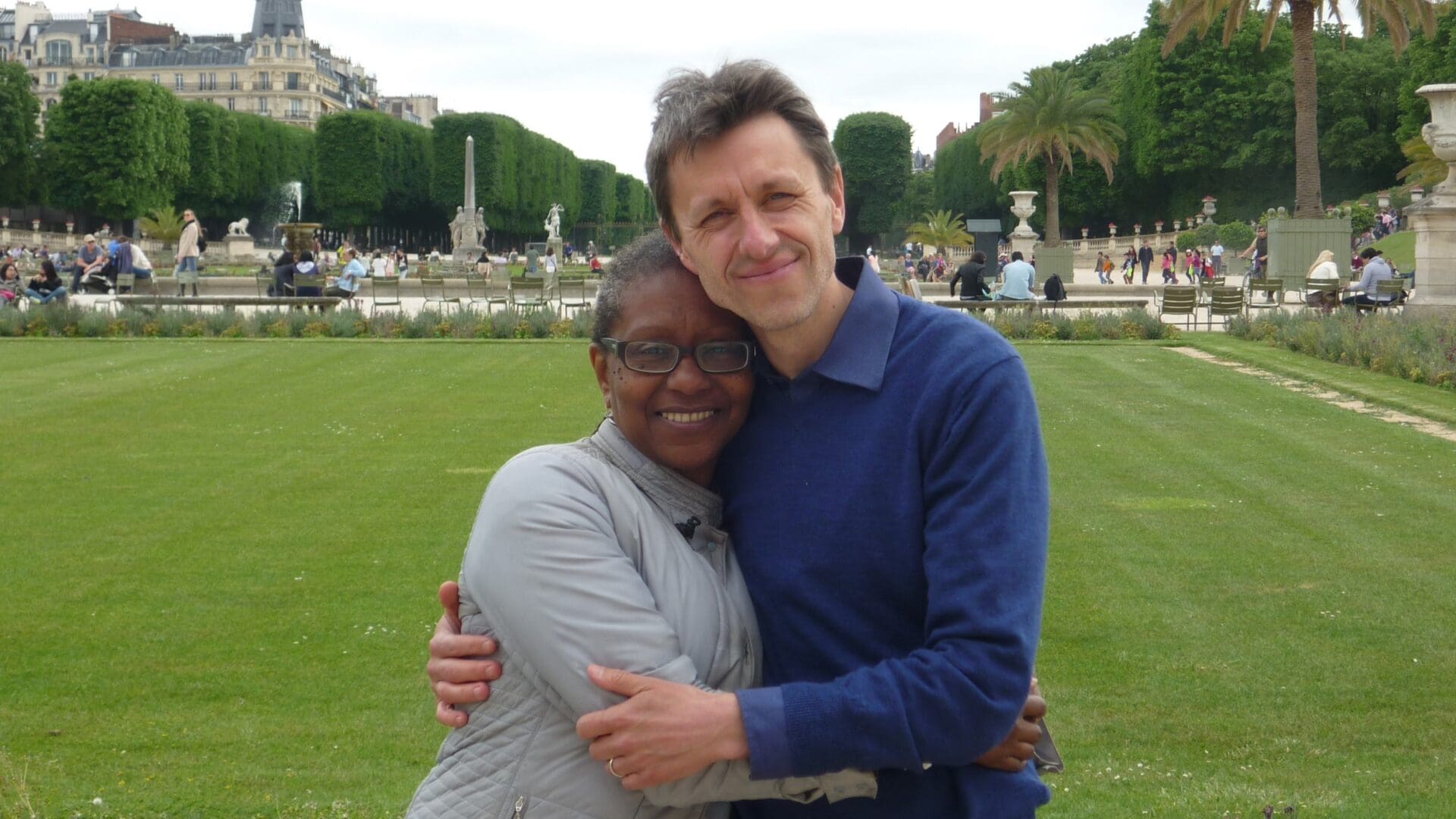
James’s late wife Maria was diagnosed with young onset Alzheimer’s disease when she was 56 years old. James reflects on the importance of culturally appropriate care as he prepares to run London Landmarks Half Marathon for Dementia UK.
Maria was born in Trinidad and Tobago and moved to London in the early 60s when she was around four years old. I don’t think the move was easy; people weren’t always welcoming to people from the Caribbean during that time.
I first met Maria when we were both working for the Labour Party in the run-up to the General Election in the late 90s. She was very interested in activism and social change. She went on to have a host of different careers, including teaching and acting.
Maria was a very vibrant person, and great fun to be around. She loved people and was very empathic. She had a lot of deep friendships, which helped us a lot later down the line when she developed dementia. We shared a real love of music, and she introduced me to soca and calypso, which both have a rich tradition in Trinidad and Tobago.
Maria’s early signs of dementia were not obvious at first, but with hindsight, I realise that she’d lost a lot of confidence. Retrospectively, the disease explains why Maria began to struggle at work and ultimately stopped working as an IT and Communication Skills Trainer. She also started to get lost in places she was very familiar with. A couple of Maria’s friends then got in touch with me and said they were concerned about her. This helped me feel empowered to have a candid conversation with Maria about what we were facing, and suggest that we go to our GP. Maria was open and agreed to attend the appointment.
We talked to our GP about Maria’s difficulties with orientation, and he referred us to the Neurology clinic at University College London Hospital (UCLH). The consultants were cautious about the reasons behind Maria’s memory issues suggesting there could be a range of causes such as menopause or depression , but in 2014 she was diagnosed with young onset Alzheimer’s disease. She was 56 years old and I was 45. I was deeply upset and shocked. Maria seemed more stoic but was also frustrated that she had been diagnosed with dementia at such a young age when she had so much to look forward to.
As I was the sole provider, I had to continue to work full-time whilst caring for Maria. As Maria’s dementia progressed, I had a whole raft of around 15 friends who would come over to be with Maria and to take her out. Between them, they almost created a rota system.
Maria
Maggie, our dementia specialist Admiral Nurse, came into our lives when things started to get difficult. I first heard about Admiral Nurses at our local young onset dementia support group. When Maria moved into middle stage dementia, I felt like we had hit a crisis point and so I reached out to Admiral Nurse, Maggie. Maggie visited us regularly at home and became our advocate with social services helping us to get more home care hours.
Maria and I both liked sports and started attending sporting memories sessions, where people with dementia and their carers could meet to reminisce and connect over their love of sport. These sessions were great at reflecting the cultural diversity of the group. There were two other older African-Caribbean gentlemen living with dementia, and when the facilitator mentioned West Indies cricket players, you could see their faces light up.
Maria also attended cognitive stimulation therapy, which was jointly run by our Admiral Nurse and a memory nurse. These were activity based sessions that included discussion, exercise, singing, and sport. The sessions are designed to stimulate cognition, boost mood, and retain day-to-day skills. The sessions were tailored for people with young onset dementia, and also reflected the cultural diversity of the group, including music and news interests. Maria was always in a great mood afterwards and the sessions improved our quality of life.
My first thought when Maria was diagnosed was that I didn’t want her to go into a care home. But I had underestimated how brutal dementia is. When Maria entered late-stage dementia, Maggie was instrumental in advising me on finding the right care home. Care is such a critical decision. It was vital that we found care that was culturally appropriate and felt individual rather than generic.
I was fortunate to find a care home where some of the staff were from a similar cultural heritage to Maria. I felt this was essential for many reasons, like being able to look after Maria’s hair well. Before her diagnosis, she would go to a loctician (a stylist specialising in locs). Maria’s hair was important to her and part of her identity. It was a huge comfort to know it was being looked after in the care home.
When I visited the care home, they were often playing Motown, funk and soul music, which reflected Maria’s musical taste and age. We had previously attended other groups where they would play nostalgic songs from the 40s and 50s, which didn’t feel meaningful to Maria. Music brought Maria a lot of pleasure and she loved dancing in the care home. The activities she took part in really enhanced the quality of her life. It made a massive difference to know that there were activities Maria enjoyed, as they really helped to lift her mood.
The care home also celebrated different cultural traditions and holidays, and cooked Caribbean dishes like plantain, roti and rice and peas. It was important that Maria could eat food that she was familiar with and enjoyed. All of these things helped me feel more at ease, knowing that Maria was getting the care she needed.
Maria died in 2023, aged 65, nearly nine years after she was diagnosed. Since then, I have been supporting Dementia UK in her memory.
This April, I ran the London Landmarks Half Marathon for Dementia UK. I’m an experienced runner and have run the London Marathon before, so this was a little more relaxed! Running up and down Westminster Bridge at the beginning of the course was great fun, and not something you can normally do with thousands of other runners. The route is full of iconic sights and my favourite was The Guildhall, it’s a beautiful building and it was quite oasis like running past there. Having so many spectators at the event is a real tonic, and very helpful in that last mile or so along the embankment as you head towards the finish at Trafalgar Square.
Sometimes when you go to running events, you see a lot of men that look like me, but I’ve recently joined a running community called Run Dem Crew. Part of its mission is to increase diversity in running. It isn’t a conventional running club and it’s great to meet people, hear their stories and share a love of running with a wider group of people. It was great to see some runners from Run Dem Crew community taking part in London Landmarks Half Marathon.
When I remember Maria, I think of her generosity, vibrancy and warmth. Supporting Dementia UK is a way of doing something positive and celebrating Maria.
Kate reflects on the challenges of being a sandwich carer and shares how her Admiral Nurse has supported her family.
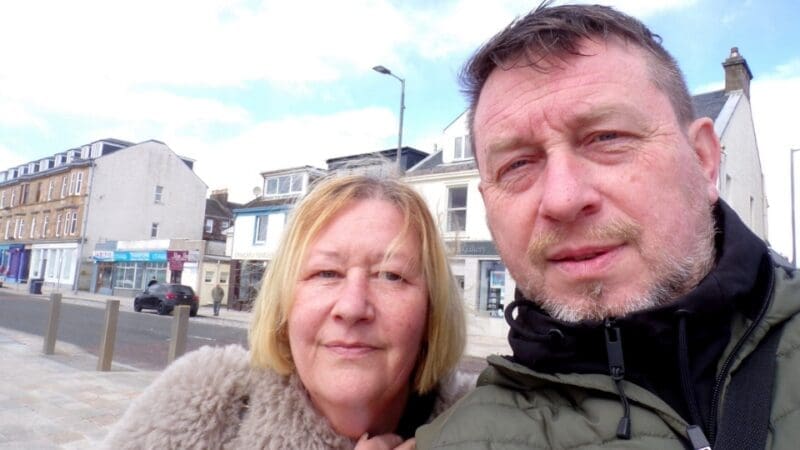
Mike reflects on the importance of the Nationwide Building Society dementia clinics in North Ayrshire, Scotland.

Harjit reflects on the support she received from Admiral Nurse, Tina, whilst her mum was in hospital.