Our impactful 2024-25 partnership with Deutsche Bank
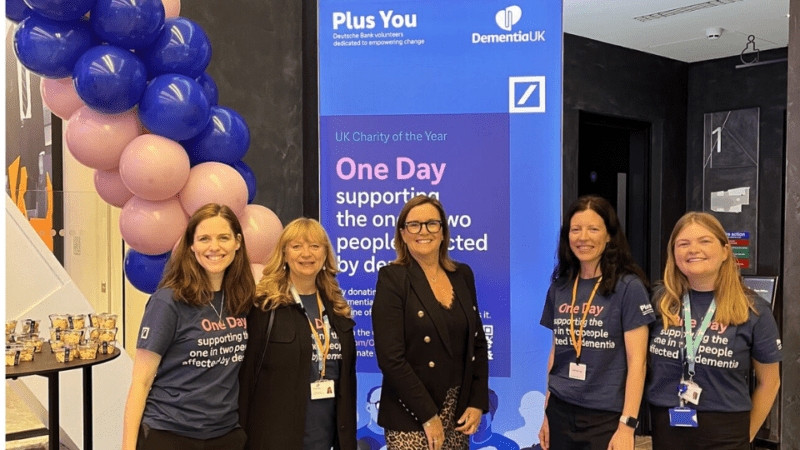
Find out how the Deutsche Bank charity of the year partnership has transformed lives with £2.4m raised for Dementia UK support.
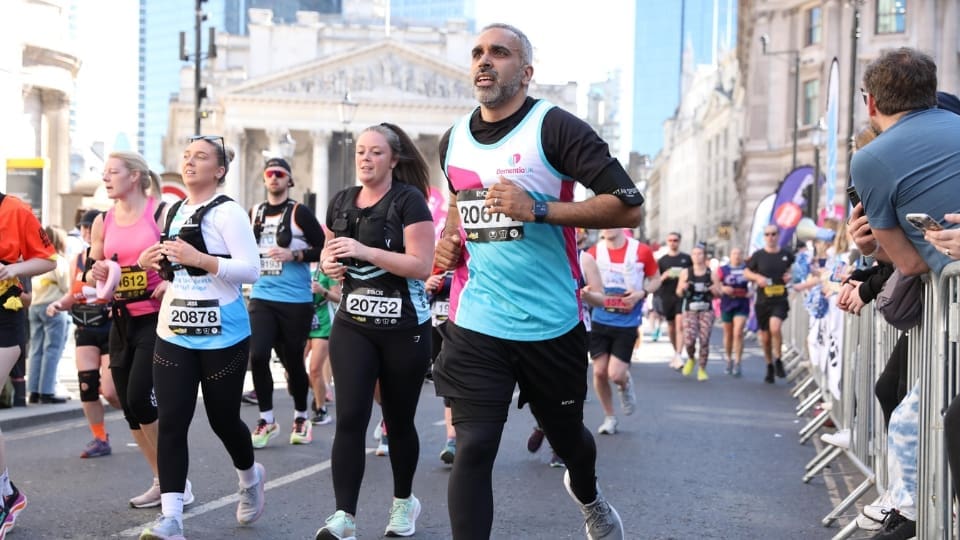
Ricky, who is taking on the London Landmarks Half Marathon in April 2026, talks about how movement has helped him keeping going after loss.
Grief doesn’t move in straight lines. It doesn’t follow a timetable. It comes in waves — sometimes crashing, sometimes quietly pulling at you. After my gran, who had Alzheimer’s disease, passed away, I felt completely lost. I wasn’t sure how to carry the weight of it all. Running became the way I found space to process, to remember, and to slowly learn how to move forward.
In the first weeks after losing my gran, I would wake up and feel the absence before I even opened my eyes. Grief often feels stuck — your body feels heavy while your mind races with memories and emotions. At first, I ran simply to get outside. To move. To breathe. But quickly, running became something more. When I put on my trainers, I wasn’t running for fitness or training; it was a way to release tension and ease the weight in my chest. The grief was still there, but running gave me an outlet to pour it into.
My gran loved being outdoors and many of our happiest memories were made outside together. Running has become my way of keeping that connection alive. As the weeks passed, I started to notice moments where my gran felt close. On a sunny stretch of road, or a run through the park, I would remember the walks we used to take. Each mile became a way of carrying her with me. Sometimes the miles brought tears. Other times, they brought laughter, as memories of my gran surfaced mid-run. Both felt like healing.
Signing up for a half marathon with Dementia UK felt like a way to honour my gran and transform pain into purpose. I couldn’t change what had happened, but I could channel my energy into something positive: raising awareness and funds, and making a difference for other families affected by dementia. That sense of purpose has been powerful. It repurposed running from a coping mechanism to a mission.
Even now, there are runs where the grief catches me off guard. A certain song on my playlist, or a quiet stretch of road, and suddenly it’s there again. The difference is I’ve stopped resisting it. Grief doesn’t vanish, but through running, I’ve learned it can be carried. Sometimes heavily, sometimes lightly, but always moving.
The hardest part of grief is the feeling of helplessness. Running gives me back a sense of momentum. Over time, it has given me more than release — it’s given me hope. Hope that I can keep going, even with loss. Hope that joy can exist alongside sadness. Every mile feels like a reminder that grief doesn’t have to hold me still. It can move with me, and even teach me strength I didn’t know I had.
If you’re grieving, you don’t need to run a half marathon. But finding movement — whether through a walk, a swim or a cycle — could help. It doesn’t take away the grief, but it gives it space to breathe. For me, running has been a way to carry my gran’s memory forward. Each step honours her, and each finish line reminds me that love doesn’t end — it just finds new ways to keep going.
If you need information, advice and support with any aspect of dementia, please don’t hesitate to get in touch – we’re here to support you.
Find out how the Deutsche Bank charity of the year partnership has transformed lives with £2.4m raised for Dementia UK support.
See our response to Baroness Casey’s call for urgent action and leadership on dementia in the UK healthcare system.