
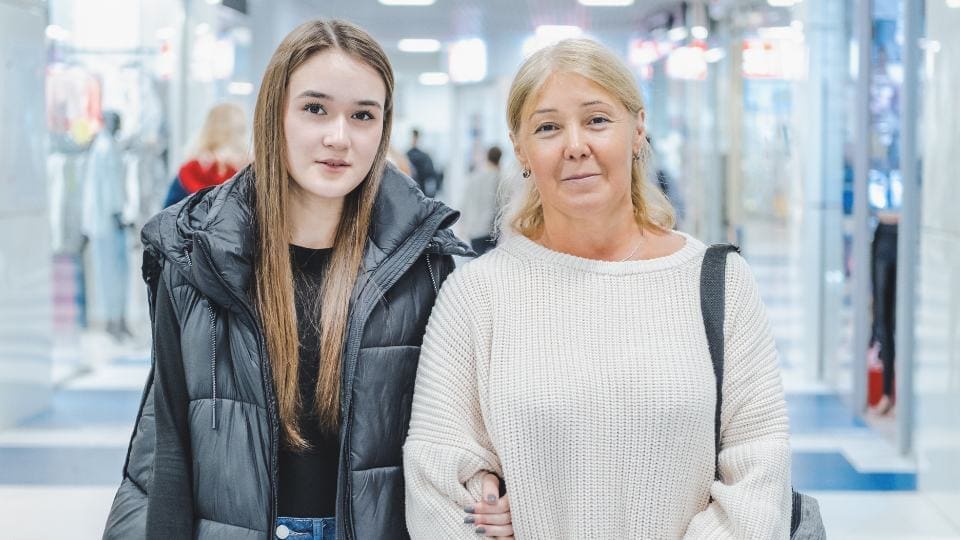
When a parent has dementia: Support for young people
Information and advice on supporting a child or teenager whose parent has been diagnosed with dementia.
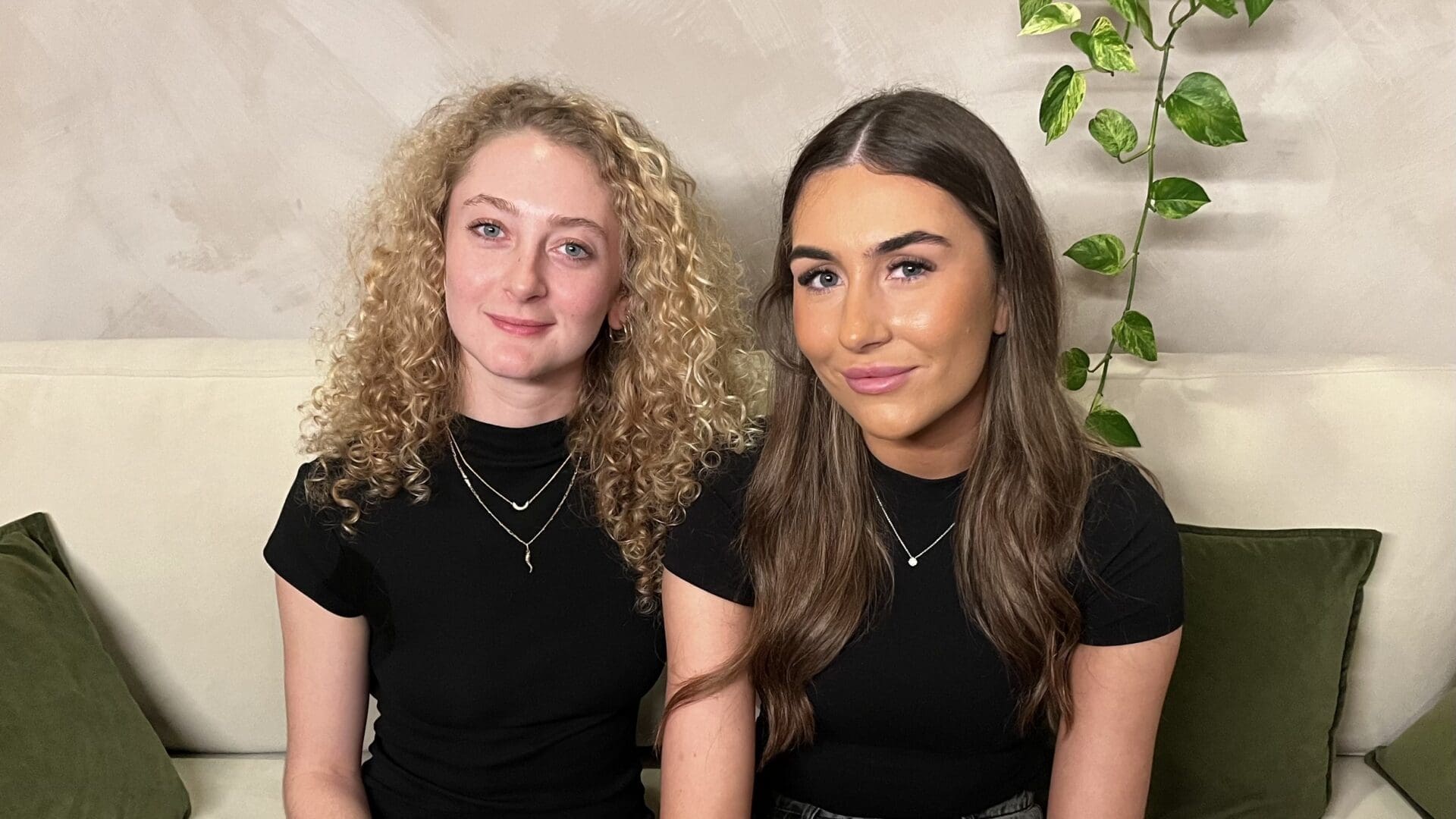
Cici (28) and Izzy (23) share their experiences of having a parent living with young onset dementia and becoming a carer at a young age.
Cici: My dad was diagnosed with a form of dementia called posterior cortical atrophy (PCA) at the age of 54, when I was just 11. My parents initially put the symptoms down to a range of possible issues like poor eyesight, stress or anxiety. Dementia was the last thing we expected. It took two years from when they first noticed the symptoms to finally getting a diagnosis.
By the time I went to university in 2016, Dad wasn’t working anymore. He needed a lot of personal care, and I would help him get dressed and cook for him. I had to grow up very quickly.
Izzy: My dad had a brain haemorrhage in 2016 when I was 14. He experienced a traumatic brain injury and had open brain surgery. He seemed to recover well, but in 2022, we noticed he had some cognitive issues. Dad was diagnosed with young onset vascular dementia at 54 years old.
Dad was very independent when he first got diagnosed, but in recent months, he has started to need lot more personal care. My mum, sister and I all work full-time and my brother lives in Canada. We realised it was too much to care for dad full-time at home. He now attends a respite centre five days a week from 8am to 4pm so that we can balance caring and working between us.
Cici: My dad was my best friend. He was always there on sports day, cheering the loudest. All the hobbies I have now are because dad planted the seeds and nurtured them. He introduced me to adrenaline sports and taught me how to scuba dive. But Dad became a person that I didn’t recognise anymore, and that made me feel angry for a long time. It felt so unfair.
Suddenly I took on the role of being a carer. I was making sure my younger brother was ready for school and had a packed lunch; making sure Dad was taken care of. I had to decide whether to continue working to contribute financially, or to stay at home and care for dad full-time. It felt like I was all over the place.
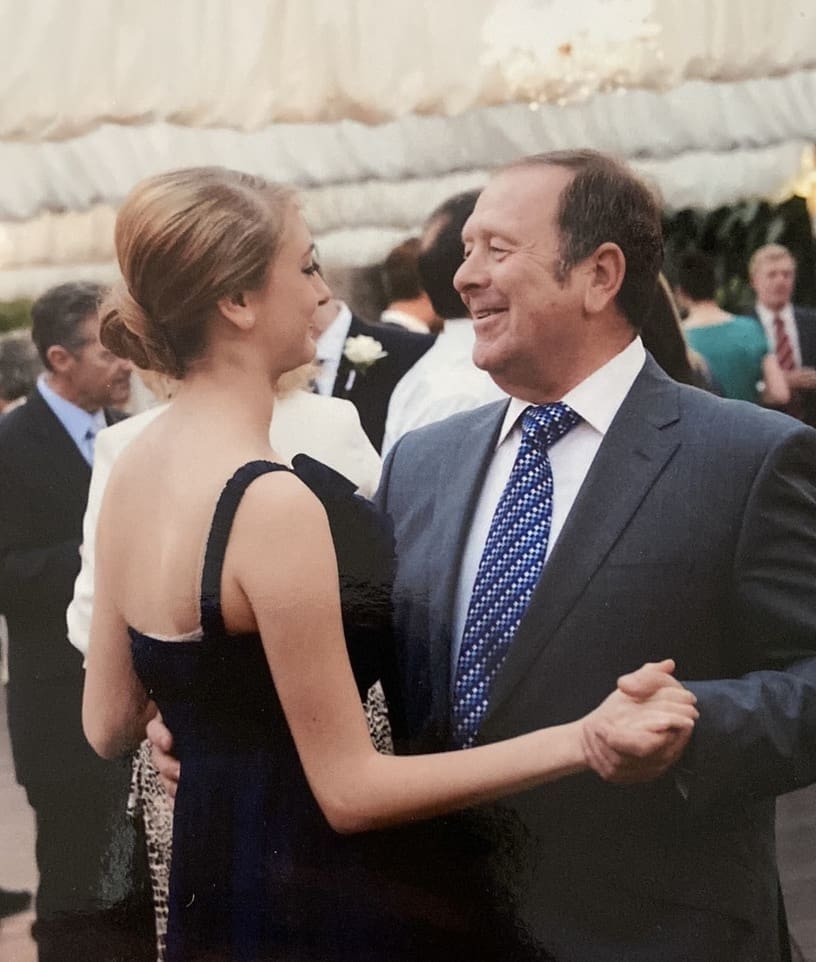
Cici dancing with her dad
When I meet new people, they often think I’m older than I am, not because of how I look, but because of how I carry myself. I definitely think that comes from being a young carer. I adopted my caring role as part of my identity.
Izzy: I’ve really struggled with the way my relationship with Dad has changed. Before his diagnosis, we had a great father-daughter relationship. And then things suddenly changed, and my whole world caved in.
I have also found being the oldest of three hard as I wanted to protect my younger siblings, who are now 19 and 21, for as long as I possibly could. But since they have found out about Dad’s dementia, we have been good at sharing responsibilities as a family. Siblings are so important and we have to stick together.

Izzy and her dad at graduation
Cici: I struggled with friendships at school and got bullied because I didn’t go out and socialise. I felt like nobody understood what I was going through or why I couldn’t go to parties like everyone else. I only had two friends who really understood Dad’s condition and would come over to the house and engage with him. Even though he had met them many times before, he always asked who they were, but they understood why.
During my first year at university, I cried myself to sleep many nights. I was in Edinburgh, far away from my family in London. I felt guilty that my mum and brother were at home caring for Dad and I wasn’t there to help. I noticed that friends were so scared of saying the wrong thing or showing up in the wrong way that they just didn’t show up at all. I felt like I needed people to talk to but always ended up internalising everything.
Izzy: When I found about Dad’s diagnosis, I told all my close friends straight away. They have spent a lot of time around Dad and were open and understanding. I signed up for a 10K run for Dementia UK and a few of my friends came to support me at the finish line. I’m lucky that I have a really good support network.
I think the most important friends are the ones that don’t try to understand what you’re going through. They are just there for you when you need to shout or cry. They accept you as you are, even when you aren’t your best self.

Izzy and her family
Cici: Sadly, Dad passed away in 2021, but I felt like I was grieving him while he was still here. I would occasionally get glimmers of hope when he had a lucid moment and I could see he was still there. But I lost him piece by piece and always knew where the road was leading.
There are some moments I wish I could have back. Dad would ask me to watch ‘Gladiator’ with him, even though he sometimes watched it five times a day. I think my family can probably quote the whole film line by line! But I wish I could go back and hold his hand and watch it with him again.
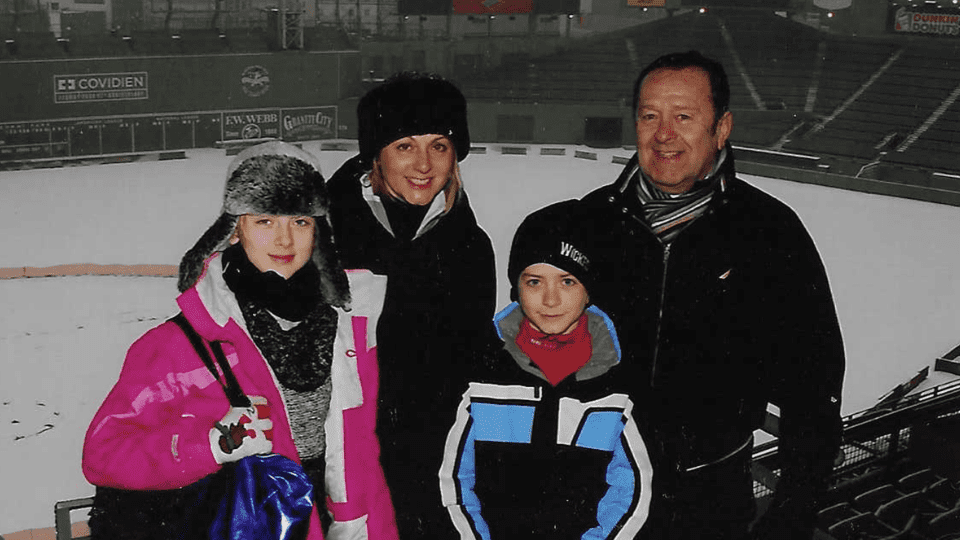
Cici and her family
Izzy: My dad doesn’t have lucid moments, which is really hard as we don’t get any glimpses of him. It’s just a constant decline. It’s difficult to look ahead to the future, so I have to take each day as it comes. It’s just one foot in front of the other at the moment. Dementia changes so quickly; you just have to keep your head down and keep going.
Cici: When I was looking online for support for young carers, I kept seeing stories of people who were in their 30s. Although they were young adults, I wasn’t able to relate to them as I was so much younger. It actually made me feel even more isolated. What I really needed was community and the reassurance that there were other young carers like me going through similar experiences.
I found out about dementia specialist Admiral Nurses when I started working with Hannah Gardner, Dementia UK’s Consultant Admiral Nurse for Children and Young People. That was when I realised that there is support out there. I just hadn’t accessed it before; I didn’t even know that it existed. If I’d have had that support when I was caring for dad, it would have made a huge difference. Just having other young carers to talk to helps you feel less alone.
Izzy: As a family, we’ve started to discuss the possibility of finding a care home for Dad. I turned to the Dementia UK website for some support and could see straight away that there are resources specifically on how to find the right care home for someone under 65. It’s reassuring to know that the information is there when we need it.
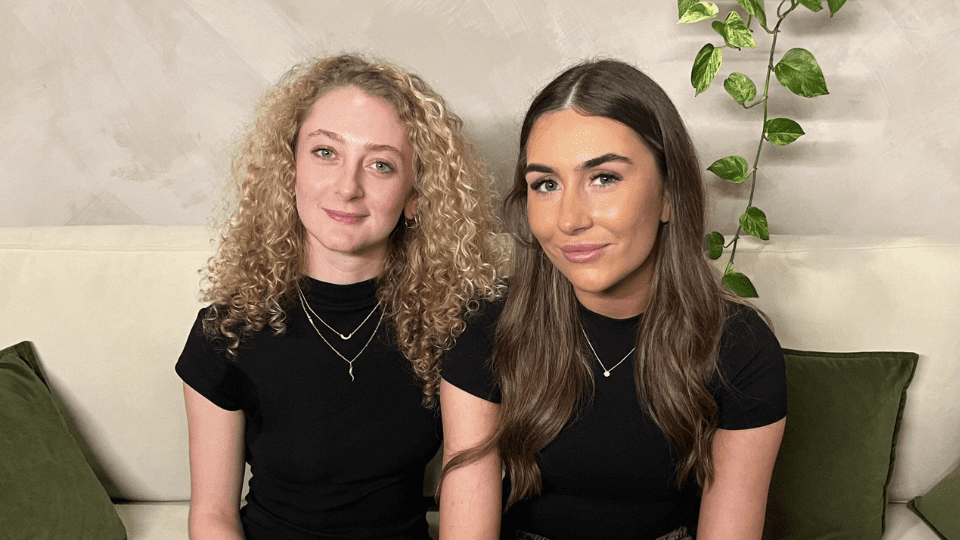
Cici and Izzy
Izzy: The biggest lesson I’ve learnt from all of this is that life is too short. You should book the trip and do the thing you’ve always wanted to do.
We have decided to go on a family holiday to spend some quality time together. Dad is booked in for two weeks of respite and it’s difficult to work through the feelings of guilt, but we know it’s important to have a break and live for ourselves a little when we can.
Cici: I agree. If you want to do something, then just go for it, no matter how crazy it seems.
I hope having this conversation and sharing our experiences helps other young carers understand that they’re not alone.
Whether you have a question that needs an immediate answer or need emotional support when life feels overwhelming, these are the ways our dementia specialist Admiral Nurses can support you.
Information and advice on supporting a child or teenager whose parent has been diagnosed with dementia.
George shares his experience of being thrust into the role of a young carer, and the emotional journey that has followed for his family.
When Rosie’s mum, Dawnie, was diagnosed with young onset Alzheimer’s disease, her employer ensured caring responsibilities were fully supported.