

What is young onset dementia?
What is young onset dementia? What differences are there to late onset dementia? How does young onset dementia develop?
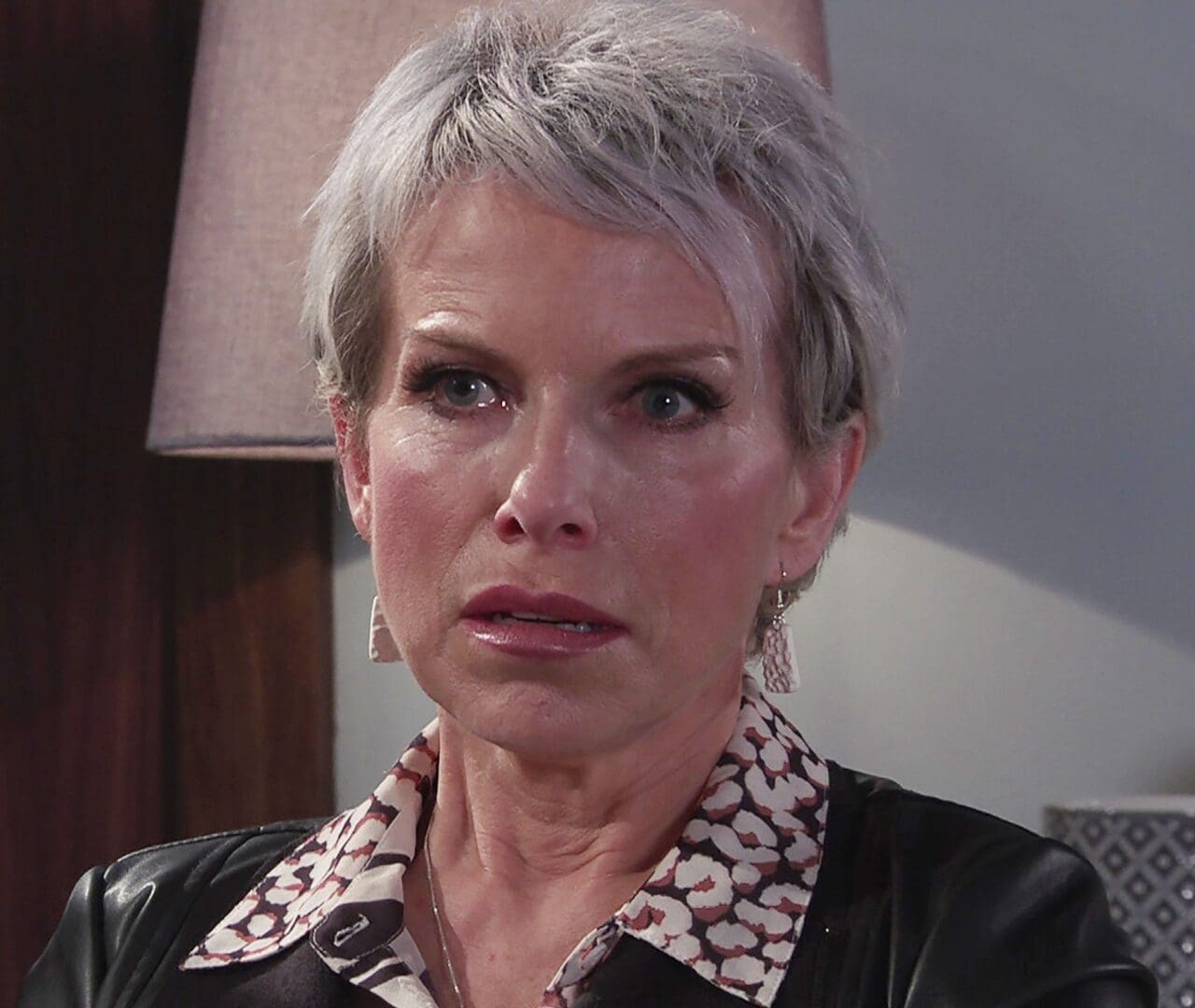
Earlier this year, Coronation Street revealed that the character Debbie Webster is living with young onset vascular dementia, where symptoms develop before the age of 65.
We are very proud that our dementia specialist Admiral Nurses have been working with Coronation Street’s producers and story team to advise on the storyline to ensure it is told as truthfully and sensitively as possible.
We spoke to actor Sue Devaney about her experience so far playing Debbie Webster’s dementia storyline and how she prepared.
I knew about young onset dementia before I found out about the storyline in Coronation Street because I’d seen in the news that Pauline Quirke and Fiona Philips had been diagnosed with the condition.
I didn’t realise how many types of dementia there are though, and the range of symptoms people can experience.
When our producer first told me about Debbie’s young onset dementia storyline, I felt lots of different emotions all at once. Fear of not getting it right, and also of how playing someone living with dementia for over a two-year period would affect me personally. I just got married and I had to think about my relationship and the impact the storyline might have on mine and my husband’s life.
Dementia is a condition I’ve always been worried about developing, so to play a character who is diagnosed at such a young age took a lot to get my head around. My mother and father died of cancer in their fifties and my brother survived cancer when he was a child, so I know the devastating effects that illness and grief can have on the whole family. I draw on these experiences when telling this story – you are grieving for the life that person could have had as soon as they’ve been given their diagnosis.
I hope I can give this story depth, honesty and understanding and shine a light on all the amazing families who are going through uncertainty and a very unpredictable future.
I met with some dementia charities, including Dementia UK, alongside our researchers and producers and asked lots of questions about young onset dementia. I’m a patron of Springhill Hospice in Rochdale and Margaret, the dementia specialist there, helps me out with any information I need.
I also speak to my friends at work who have lost loved ones to dementia or are caring for a family member with the condition. I have a dear friend called Norma who lost her husband to vascular dementia, the same type of dementia that Debbie has been diagnosed with. She helps me with any script queries I have, mainly relating to Debbie’s behaviour. I’ve also joined lots of online support groups.
Because dementia has different stages, I take one script at a time and continue to do my research and plan Debbie’s journey as I am going along.
What surprised me most when I was doing my research is how many people are affected by dementia. I read that around half of the population will be affected by dementia or become an informal carer during their lifetime. I also didn’t know that vascular dementia is the second most common type of dementia after Alzheimer’s disease.
My father-in-law was diagnosed with dementia a few years ago. He was a banker in Paris which meant a lot of his savings were kept in French bank accounts. Despite having lasting power of attorney, my husband and I encountered significant challenges trying to transfer his money to a UK bank account in order to pay for his care.
He now receives fabulous care and still enjoys a glass of wine and watching sport on TV. He still recognises my husband but forgets that we are married and thinks I’m the cleaner.
I think it’s really important that TV programmes like Coronation Street and theatre productions are raising awareness of young onset dementia.
There are some amazing films out there too, like ‘Still Alice’ with Julieanne Moore. They not only help to raise awareness of the impact of dementia on a person’s life, but they also give families comfort in knowing that they’re not alone.
I cannot believe how many people have stopped me in the street to tell me about their own experiences of dementia since the storyline began. It’s been so enlightening and informative, but at the same time, heartbreaking.
I have learnt that life is a gift and we should nurture and nourish our mental, physical and spiritual health because without all three of these things, we have nothing. Also, never make plans for a grand retirement; live every day like you’ve already retired!
I think playing any role and character who has a progressive condition like dementia is challenging. The different stages of vascular dementia do not always follow a clear-cut pattern. At the moment, Debbie is in the early stages of vascular dementia, but as her condition progresses, she will start to experience different symptoms.
Debbie has always been a snazzy dresser and loves her fashion and makeup. I want to bring a certain look with the different stages too, through her wearing less makeup and becoming less interested in her personal appearance over time.
I hope it shows viewers ‘a life well lived… with or without dementia’. Debbie will hopefully remain Debbie for as long as she can. I hope her experience will show viewers that you can live well with dementia and stay positive.
When Debbie is in the late stages of vascular dementia, she may no longer recognise people, but I hope people will remember her for her positive, vivacious ways. I hope her friends continue to stick her false eyelashes on, style her hair and pluck the hairs off her chin and eyebrows when she can no longer do it. Actually, I hope somebody will do that for me too if I can no longer do it!
I looked after my mum when she was diagnosed with terminal cancer. It was an absolute honour to care for her and if I had that time all over again, however hard and painful it was, I would not want it any other way.
Dementia is different as you are slowly losing the person you once knew and that is unbelievably heartbreaking. I think it’s important to get support and help from all the relevant organisations and not feel ashamed if you can no longer look after your loved one all by yourself. Every person is different, and every need is different.
Remember you are not alone – there are people who understand and have been there before you. Just know you are doing your best, and your best is good enough.
What is young onset dementia? What differences are there to late onset dementia? How does young onset dementia develop?
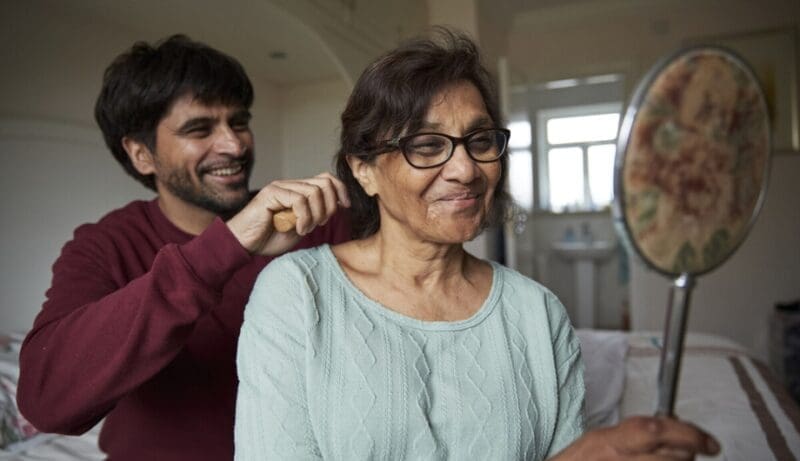
Dementia can have a significant impact on a person’s daily life, including how well they function within their home and their co-ordination.
Whether you have a question that needs an immediate answer or need emotional support when life feels overwhelming, these are the ways our dementia specialist Admiral Nurses can support you.