

Admiral Nurse Dementia Helpline
Call or email our Dementia Helpline/Alzheimer's Helpline for reassuring and practical advice from our specialist team of Admiral Nurses.
Common questions that our Admiral Nurses hear on our Helpline, and their answers
When someone is living with dementia, Christmas can bring extra challenges. At this time of year, our Helpline nurses speak to hundreds of carers who need advice on managing some of the issues that often arise over the festive period.
We share answers to some common questions that our dementia specialist Admiral Nurses hear on our Helpline over Christmas and the new year, which might help you over the weeks ahead.
Christmas is a time when families come together, so it’s natural to want your mum to be with you. However, familiarity, structure and routine are important for people living with dementia, and big gatherings, noise and changes in daily schedules can be unsettling, disorientating and overstimulating.
You know your mum best, so if you think leaving the care home might be overwhelming for her, consider bringing Christmas to her – either by yourself or with a small group of family and friends – for a more intimate celebration. Enjoying favorite songs or films from past Christmases together, or bringing in old photos and keepsakes, can be a wonderful way to reminisce and share meaningful stories.
It’s a good idea to speak to the care home staff as they may be organising their own Christmas festivities and activities. This might relieve any lingering feelings of guilt about your mum missing out on your celebrations.
It’s great that you’re thinking about your wife’s comfort during the Christmas period. Before your daughter visits, you could talk to her about how her mum is doing and let her know what to expect. Discuss some of the ways you usually navigate her symptoms and communicate with her.
It can be upsetting to see the changes in a loved one with dementia if you haven’t been together for a while, especially for children, who may not understand what is happening. It’s important to have an open conversation with them, using age-appropriate language and allowing them time to process their emotions and ask questions. You might like to look at our list of books to help children understand dementia.
While children can bring great joy at Christmas, the additional noise and busyness could be unsettling for a person with dementia. Consider planning some calm, dementia-inclusive family activities like arts and crafts, listening to music, a cosy movie night, baking or a gentle walk.
Ensure there’s a quiet space for your wife to retreat to if she feels tired or overwhelmed, like a spare bedroom. Maintain familiarity and structure, including with mealtimes, drinks, medication and bedtime routines, and pay attention to signs of distress if the situation becomes overstimulating.
Take care of yourself, too – make sure you ask for help and take breaks when needed.
Christmas and New Year can be especially difficult when you someone close to you has died. This year may feel very different from years gone by. People find comfort in different ways: you may want to distract yourself and keep busy; or have a quieter Christmas that demands less of you. There is no right or wrong way to spend the holiday.
It’s important to acknowledge that you will be experiencing grief and loss, and this can feel strange, exhausting and less motivated to make an effort over Christmas. It’s good to check in with the people who know you best and to spend time with family and friends you feel comfortable with. Also try to eat well, treat yourself to a little of what you fancy and get enough sleep. Please don’t hesitate to seek support if you need it.
Cruse Bereavement Care has some strategies that might help with your grief this Christmas.
It’s common for families to notice changes in their loved ones when they spend longer periods together, but it’s important not to rush into worrying about what might be happening and create anxiety. You may want to discuss your observations or concerns openly with your parents, perhaps even without naming memory or dementia, and ask them how they feel things are going and if they need more support or advice.
Your dad might be in denial about the possibility of dementia or might be overcompensating for the changes in your mum, maybe without realising. Good communication is vital, so if possible, allow your parents to guide the conversation and ask their thoughts on the next steps.
Alcohol can prevent some medications from working effectively and may make dementia symptoms worse (for example by increasing confusion, drowsiness and the risk of falling). However, it is important to allow people to have a choice and support their quality of life.
We recommend checking in with your GP or pharmacist about whether your husband can have a drink; with some medications, it’s okay to have a small amount of alcohol.
Alternatively, you can try alcohol-free or low alcohol versions of your husband’s favourite drink, as there is much wider choice in this range now.
Eating and drinking can be a challenge for people with dementia. They may have trouble swallowing, not recognise the signs of hunger, forget to eat or decline food. But it doesn’t mean that they can’t join in with family meals and Christmas treats.
Often, meals can be adapted or made suitable. You may be able to mash or puree food or cut it into bite-sized pieces. If your dad has been referred to a Speech and Language Team (SALT) for swallowing advice, they can offer guidance tailored to his needs.
People living with dementia often experience changes in taste or food preferences, alongside other changes relating to their diet. These tips may help them eat and drink well over Christmas:
Sometimes people with dementia can find changes in routine, extra company and noise overstimulating. It is important to accommodate their needs to avoid distress. It’s helpful to limit the length of gatherings and where possible, hold them at a time when the person is likely to be alert and not overtired; for example, lunchtime may work better than evening.
Try to avoid long, tiring journeys and instead bring people to you when you can, so that the person with dementia is in their own home and familiar surroundings with the things they need close at hand. Try to reduce noise, or put on calming music, for example Christmas carols.
At this busy time, certain things can easily be overlooked, like whether the person has had enough to drink, whether their bowels are coping with all the extra food, or if they have any pain. Being vigilant about these small details can help to avoid a bigger problem emerging later.
Christmas is a time for comfort and cheer. A cosy item of clothing like a soft jumper, shawl or matching hat and mittens can be a welcome gift. A simple photo collage for the person to look at each day may be well received and evoke positive emotions, even if they don’t remember names.
This can be a difficult situation, but it is a common issue for people with dementia. The best possible solution is often to skirt over the issue and not draw attention to it to avoid embarrassing or upsetting the person. It’s best not to correct or disagree with them, but to find ways to validate them and help them feel a sense of belonging in the family despite their loss of memory and detail.
You might want to forewarn family and friends that names and recognition can be trickly for the person as a result of their dementia. This can prepare them for what to expect so they are less shocked or upset if the person doesn’t recognise them.
You can also explain that even if the person doesn’t know exactly who they are, they are still likely to know that they are special to them and enjoy being with them.
What matters most is care and kindness and the expression of love, even if the person’s memory is failing.
If you need support with any aspect of dementia over the festive period, we are here for you. Please call our free Helpline on 0800 888 6678 (Monday-Friday 9am-9pm; Saturday, Sunday and bank holidays 9am-5pm; every day except 25th December), email helpline@dementiauk.org, or book a phone or video appointment.
Call or email our Dementia Helpline/Alzheimer's Helpline for reassuring and practical advice from our specialist team of Admiral Nurses.

Our Admiral Nurses have put together a list of 12 Christmas tips so that you can enjoy the festivities whilst caring for someone with dementia.
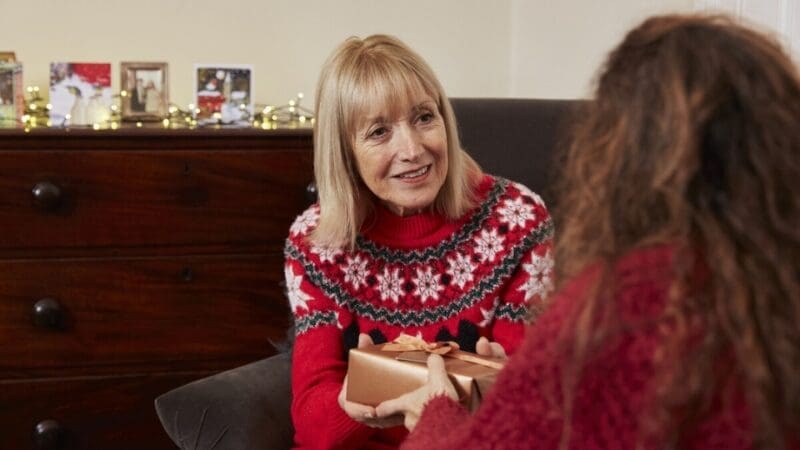
Our dementia specialist Admiral Nurses have put together suggestions for appropriate Christmas gifts for people with dementia