
How we can support you
Whether you have a question that needs an immediate answer or need emotional support when life feels overwhelming, these are the ways our dementia specialist Admiral Nurses can support you.
One in three people in the UK will care for someone in their lifetime, and not all of these are adults. According to the 2021 Office for National Statistics (ONS) census, there are around 120,000 young carers aged five to 18 in England.
Being a young carer for a parent with dementia can feel overwhelming. You may be balancing school, college or university, friendships, and plans for the future while also helping at home. If you are supporting a someone living with dementia, you are not alone — and there is support available.
To mark Young Carers Action Day, we are sharing a new video conversation between two young people who have experience of caring for a parent living with young onset dementia.
They talk openly about:
Read more about Izzy and Cici’s story.
Hannah Gardner, Consultant Admiral Nurse for Children and Young People at Dementia UK, has shared some tips in response to the most common questions she is asked by young people caring for a parent or family member with dementia.
The most important thing is to take care of yourself so that you can manage the challenges of having a family member with dementia. For example, this might mean making sure you have time for an activity or a hobby, and that you’re still able to socialise with friends.
It’s important to share how you are feeling with people you trust. This might include friends, family members, teachers or support workers such as counsellors at school, college or university. Talking about your experiences can help you feel less alone.
If you care for someone and are aged 17 or younger, you have the right to a young carer’s assessment from your local council. This can help work out what support you need and how to get it.
A young carer’s assessment looks at:
You can find out more about young carers’ rights on the NHS website.
Think about who you follow and focus on accounts or content that make you feel positive and supported. If something consistently makes you feel worse, it’s okay to mute or unfollow it.
Help the person you’re caring for be as independent as possible and encourage them to do things on their own when they can. As well as helping them keep their sense of independence and self-esteem, it will make the time you spend together more enjoyable.
Think about activities you can do together, such as:
Spending time together in ways that are not just about caring can strengthen your relationship.
When you’re talking to the person with dementia:
Small changes in communication can reduce frustration for both of you.
Caring for a person living with dementia needs patience and calmness. Dementia can make it difficult for someone to understand and communicate, which may lead to changes in their behaviour such as becoming restless, frustrated or upset.
If you feel overwhelmed, unsafe, or unsure what to do:
Your safety and mental health matter just as much as the person you care for.
If you are a young person supporting someone with dementia, specialist advice can make a real difference.
Our Consultant Admiral Nurse service for Children and Young People is open to children and young people under the age of 18 who are living in families affected by dementia.
We offer 60-minute support sessions by phone or video call for advice and guidance with any aspect of dementia.
If you would like to speak to someone, you will need to ask a parent or guardian to contact us on your behalf by calling our Helpline on 0800 888 6678 or emailing helpline@dementiauk.org
It is estimated that over 70,000 people in the UK are living with young onset dementia.
‘Young onset’ dementia is where dementia symptoms develops before the age of 65. It affects people most often between ages 45 and 65, although it can occur at a younger age. Find out more about young onset dementia.
Young Carers Action Day is a reminder that caring responsibilities can affect people of all ages. If you are a young person caring for someone living with dementia, you are not alone – and we’re here to help.
Whether you have a question that needs an immediate answer or need emotional support when life feels overwhelming, these are the ways our dementia specialist Admiral Nurses can support you.
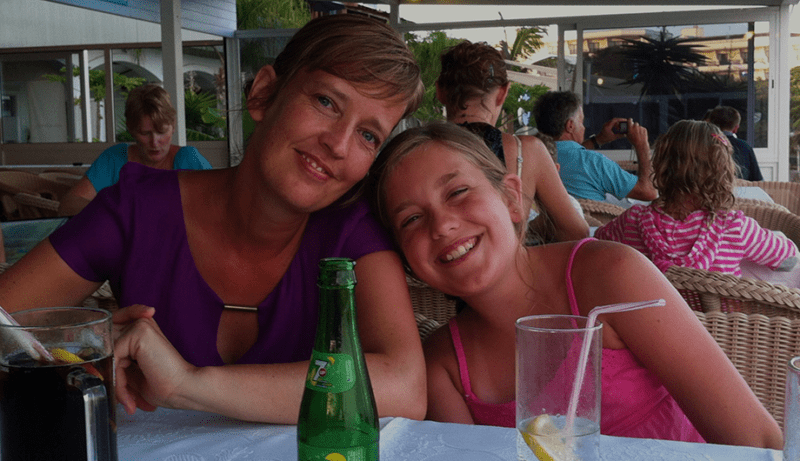
Chloe shares her experience of being a young carer for her Mum, who was diagnosed with frontotemporal dementia at 47, and died aged 51.

Information and advice on supporting a child or teenager whose parent has been diagnosed with dementia.