
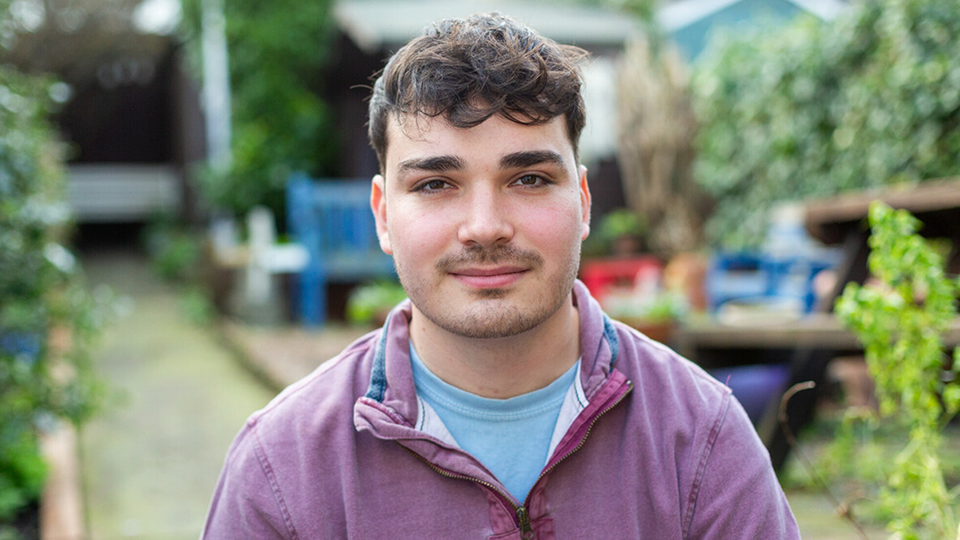
Families need Admiral Nurses to face dementia
When Elliott’s father was diagnosed with young onset Alzheimer’s disease in his fifties, family life was changed forever.
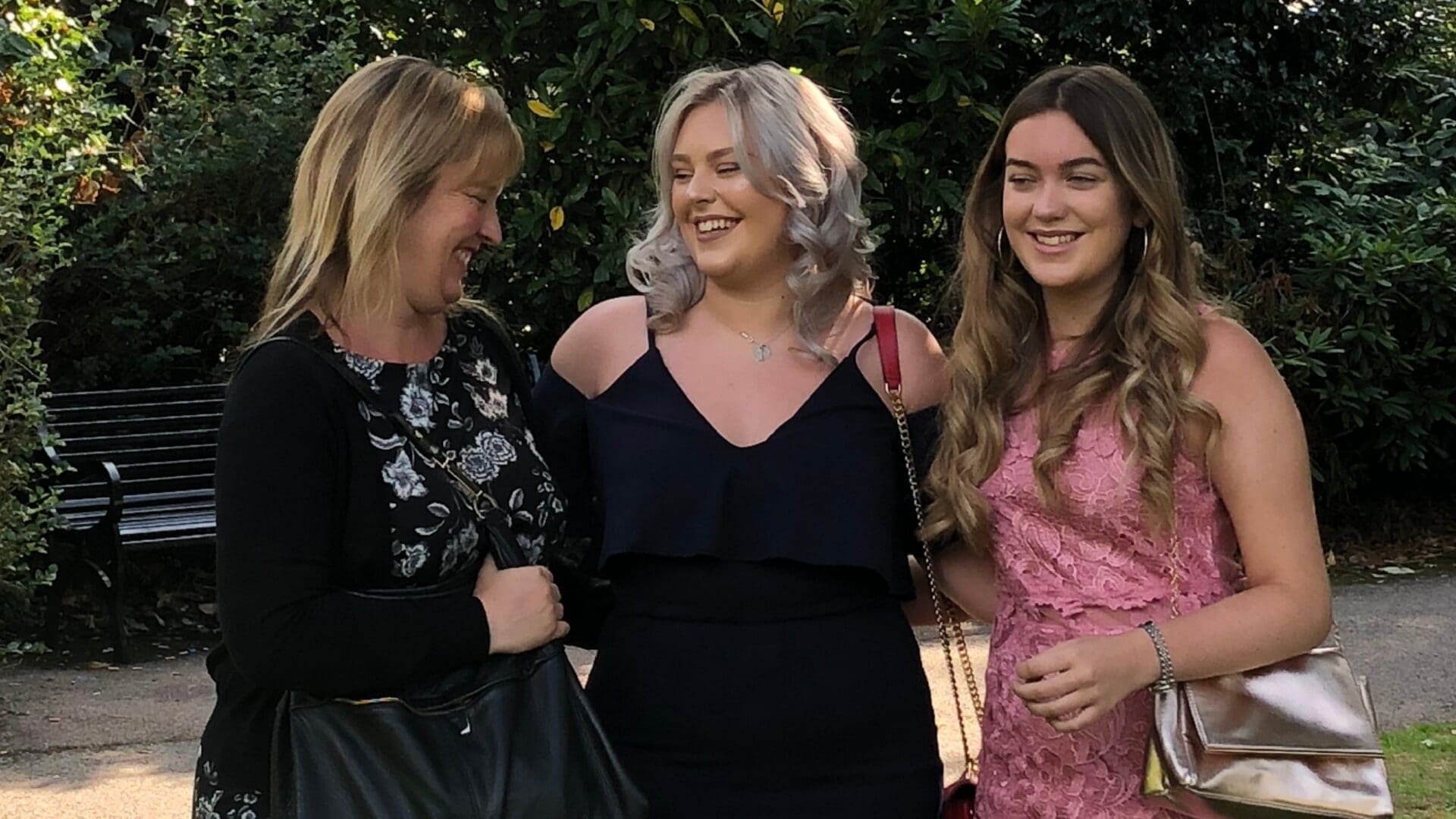
Chloe and Amy share their experience of being young carers for their Mum, who was diagnosed with frontotemporal dementia at 47, and died aged 51.
Chloe: Mum was everyone’s favourite teacher. At the start of each school year, people would frantically look to see if they had Mrs Lambert as their teaching assistant. If they did, it was going to be a good year ahead. She was the kindest soul you’d ever meet.
Amy: I first started to notice something was wrong with Mum when we were on holiday in the Dominican Republic. She wanted jelly for dinner and kept checking on us through the night.
Chloe: Once we got back home, Mum would insist on going to the shops repeatedly throughout the day, only to return home with nothing. I also recall one morning when she was making breakfast for us, and she’d forgotten how to boil an egg. She asked Dad how long she should boil it for, and then a few moments later, asked him again. Repeating questions and forgetting simple tasks began to occur more frequently.

Sarah, Amy and Chloe’s mum
Chloe: The word dementia didn’t even enter my mind. After all, Mum was in her forties. But after seeing a GP in 2018, she was referred to the memory clinic and diagnosed with frontotemporal dementia. Mum was 47 years old; I was 14.
Amy: Mum’s dementia progressed very quickly. She went from being outgoing and independent to fully incontinent and unable to dress herself. She had always been very slim, but she started binge eating, and went from a size 10 to a size 18 – we had to put locks on all the cupboards.
Mum became like a child and our roles totally reversed. My sister and I washed and dressed her every day. It was really tough. I had just started a job as a legal secretary and I was always asking for time off to care for Mum. It was difficult getting through each day.
Chloe: When all the focus for my classmates was on GCSEs and doing well in exams, I was trying to keep my head above water. I found it hard to switch off from ‘young carer mode’ when I was at home. I was constantly worried if Mum needed something – whether it was a drink, a wash, a change of clothes, her medication… I just couldn’t concentrate on my homework while I was there. So I started going to the local library, where I was able to focus and get my work done.
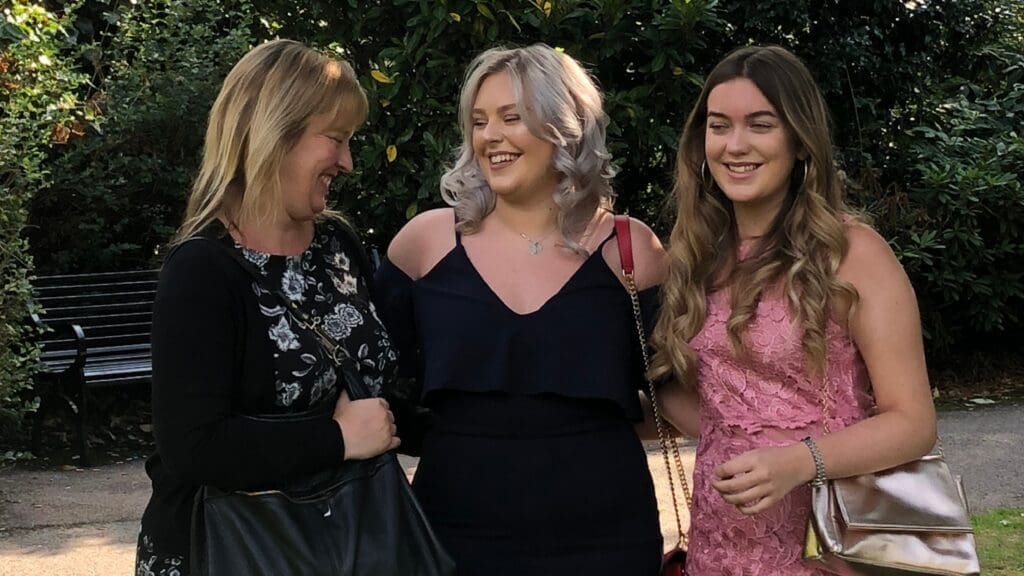
Chloe and Amy with their Mum, Sarah
Chloe: When I was in the sixth form, Dad organised respite care for Mum. It meant we all could have a much-needed break and do things together that weren’t based around our caring responsibilities. It enabled us to do some things that would’ve been impossible otherwise, like trips to the seaside or day trips into London. Keeping this semblance of a family unit was so important.
Amy: Mum went into a care home for respite for 10 days. One day, Dad came upstairs bawling his eyes out with the phone in his hand. I took the phone and the carer told me that Mum had passed away of a sudden brain haemorrhage, aged 51. It was so unexpected. Our whole lives had changed to look after Mum – we all thought, “What do we do now?” I also remember feeling really burnt out.
Chloe: The period after Mum died I felt a mix of shock, grief and adjustment. There isn’t a day goes by that I don’t think about her. And sometimes I catch myself thinking she will just come through the door again. For me, grief is a lingering emotion that doesn’t fade. I just live with it. Mum was, and always will be, my best friend.
Chloe: Looking after yourself as a carer is so important and it isn’t selfish or shameful to ask for help. the Dementia UK website was an amazing source of information and support. Sometimes, educating yourself about what’s going on helps you feel a little less isolated. In reading other people’s stories, you realise your own isn’t a complete outlier. Dementia UK has some wonderful resources to help you through and the specialist Admiral Nurses understand the complexities of dementia. There is even a Consultant Admiral Nurse who specialises in supporting children and young people.
Amy: Caring for Mum was overwhelming at the time. Every day was a new challenge, but Dementia UK’s website and emails were a great source of support and gave us a lot of information on frontotemporal dementia and how to look after ourselves as carers.
We decided to raise money for Dementia UK at Mum’s funeral. I want to make it easier for young families living with dementia. It’s so important for the whole family to have support and that’s what dementia specialist Admiral Nurses offer. It can be hard to reach out for help when you are in the thick of it, but there is support out there.
When Elliott’s father was diagnosed with young onset Alzheimer’s disease in his fifties, family life was changed forever.
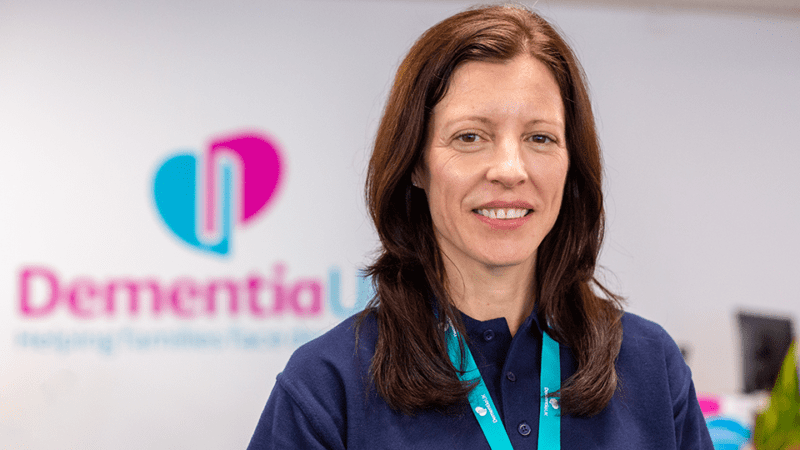
Hannah Gardner, Consultant Admiral Nurse for Children and Young People, shares tips on how young dementia carers can look after themselves during the holidays.

Admiral Nurse Lizzie Harrison provides support strategies for young people caring for someone with dementia.